


If you’ve been living under a rock for the last 30+ years (or a young gamer), Mortal Kombat is a bloody one on one fighting game that first saw the light of day ion 1992 in arcades as an alternative to the “safer” franchise Street Fighter. MK was known for its over the top action, carnage and (at the time) controversial and bloody fatalities. It’s the game that forced North America to create the Entertainment Software Rating Board (ESRB).
As a highly celebrated franchise, and after some teases, misses and almost releases, it was just a matter of time before we got an official collection of MK’s greatest hits and that brings us to Mortal Kombat Legacy Kollection. This bundle includes a selection of hits and misses:
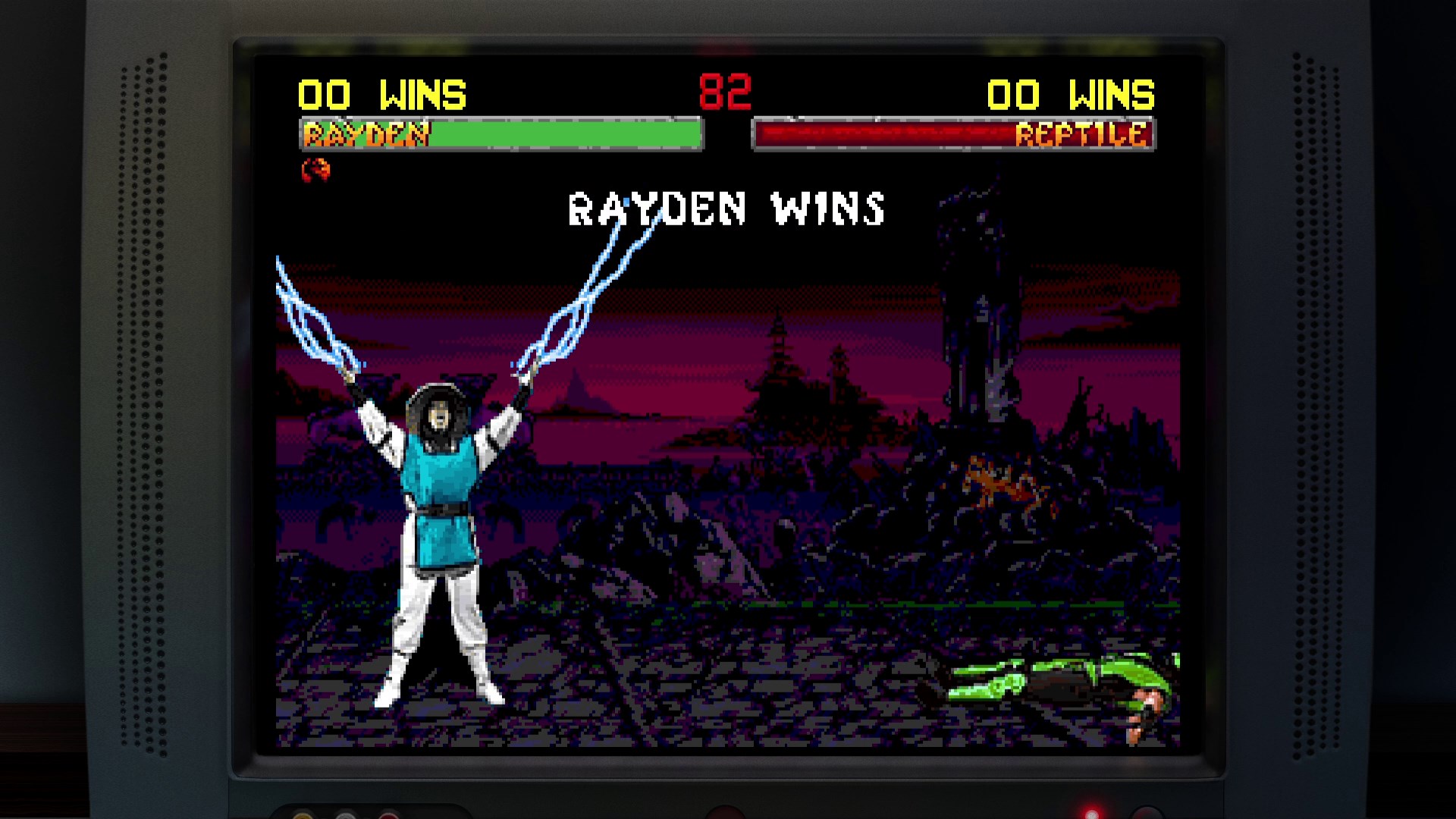
- Mortal Kombat – 1992 (Arcade, SNES, Genesis, Game Boy, Game Gear)
- Mortal Kombat II – 1993 (Arcade, SNES, Genesis, Game Boy, 32X)
- Mortal Kombat 3 – 1995 (Arcade, SNES, Genesis)
- Ultimate Mortal Kombat 3 – 1995 (Arcade, WaveNet Arcade, SNES)
- Mortal Kombat Trilogy – 1996 (PlayStation)
- Mortal Kombat 4 – 1997 (Arcade)
- Mortal Kombat Mythologies: Sub-Zero – 1997 (PlayStation)
- Mortal Kombat Special Forces – 2000 (PlayStation)
- Mortal Kombat Advance – 2001 (Game Boy Advance)
- Mortal Kombat: Deadly Alliance – 2002 (Game Boy Advance)
- Mortal Kombat: Tournament Edition – 2003 (Game Boy Advance)
Before jumping in all games, you’ll have the chance to adjust a few settings. For the Arcade games, that’s where you’ll adjust the A.I. difficulty (which makes close to no difference), but also be able to enable unlimited fatality time, some games will also offer a rewind feature; in other cases, you’ll be able to enable hidden characters you can fight without having to jump through so many hoops to make them appear.
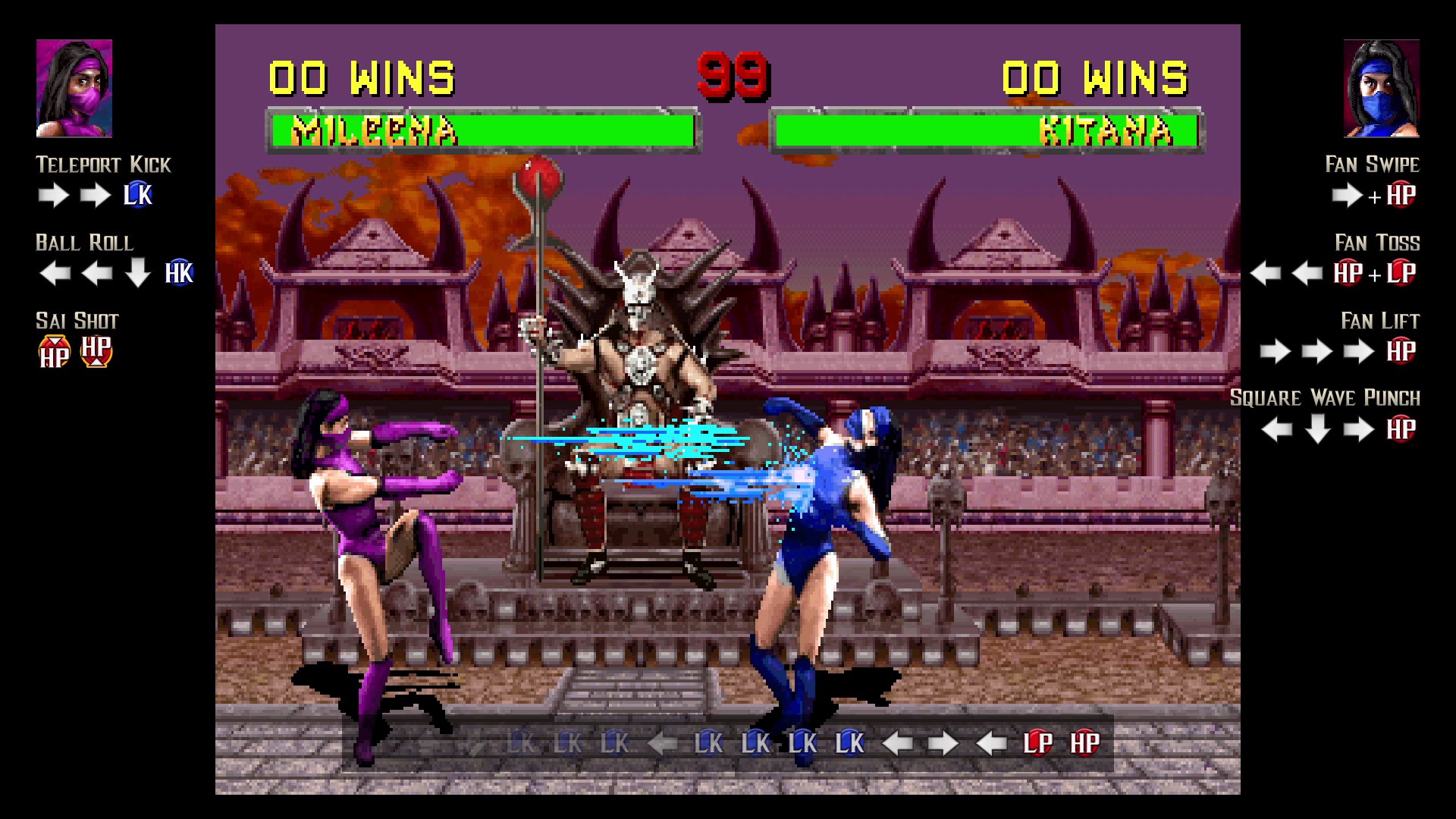
If you need to hone your skills on the arcade versions of these classics, there’s a practice mode for each. You can enable an EDJ mode for each arcade version which is basically special hidden menus that lets you see the inner workings of those machines; you can adjust the volume or watch any character’s ending video.
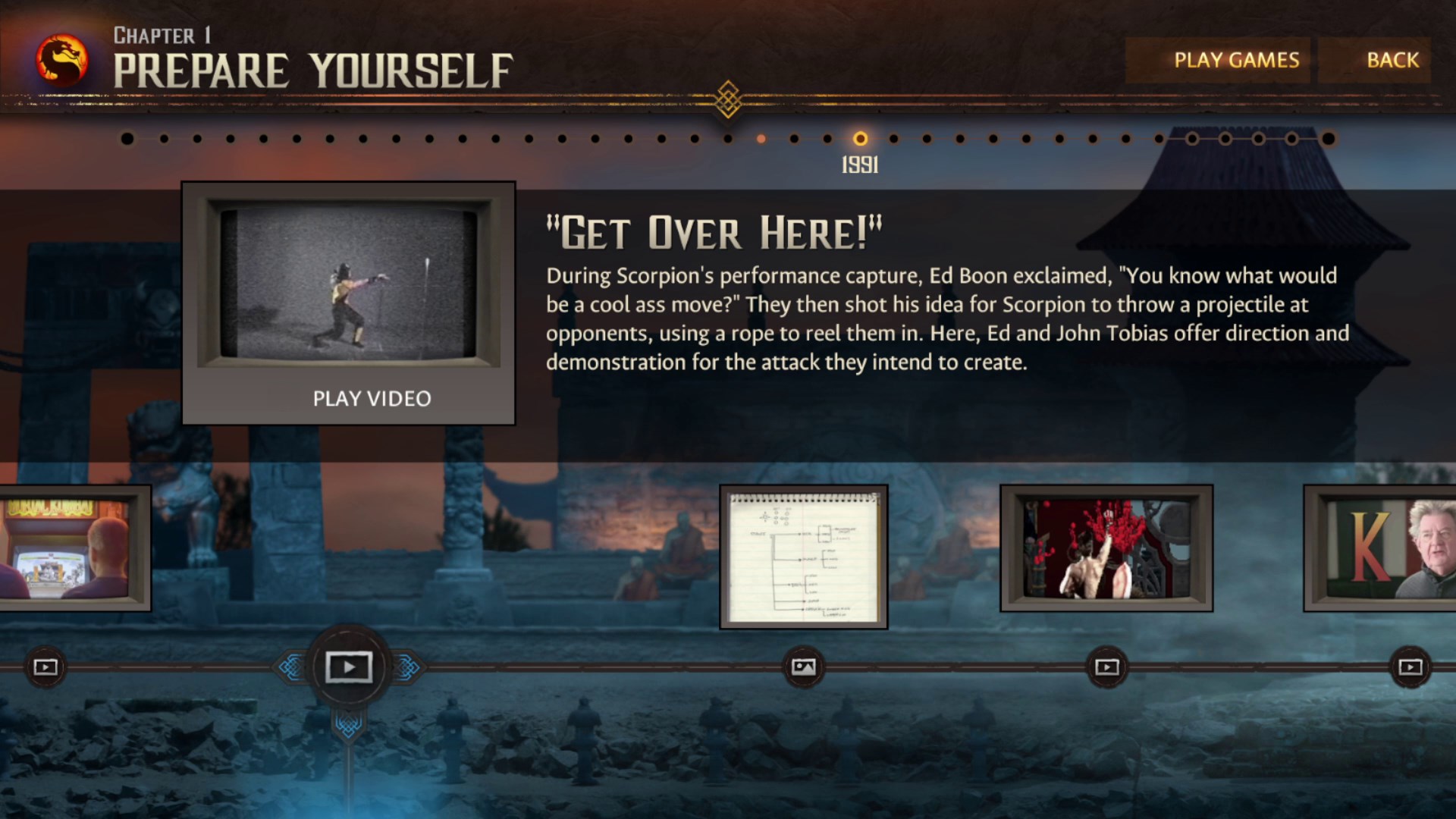
If you need to cool down after a few round of getting beat up, Digital Eclipse knocked it out of the park once again in terms of documentary. This isn’t some rushed, half-ass documentary; it’s the original development team, most famously Ed Boon and John Tobias, recalling their early days and how they manage to evolve by discussing their wins and losses.
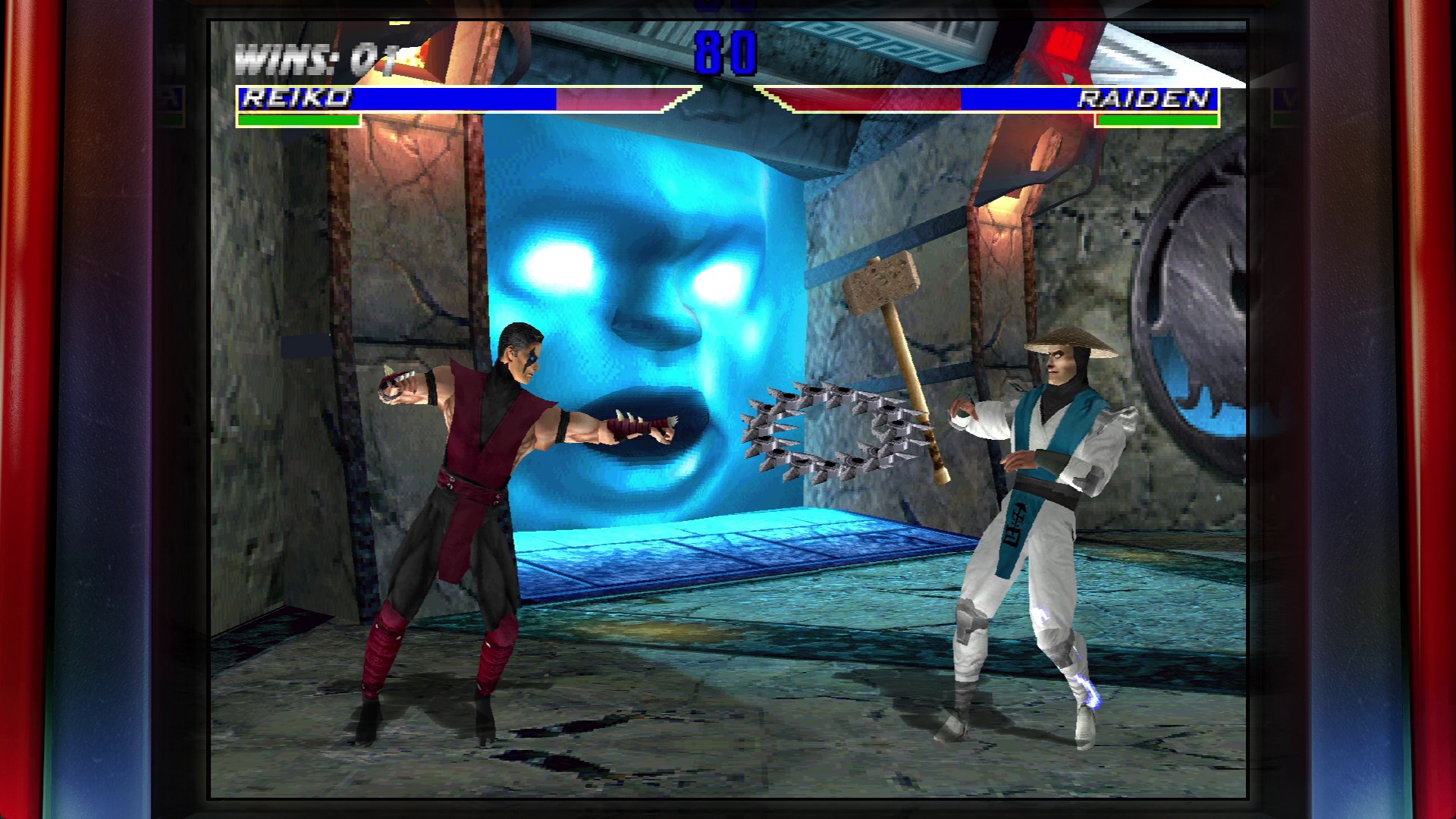
Similar to what Digital Eclipse did for Atari 50: The Anniversary Celebration, you can find a shorter documentary covering the games’ timelines, characters’ endings and biographies. Digital Eclipse also included ways to access the games’ secrets easily. You want to fight Reptile in MK? Simply enable it in the menu. You want to access the various secret menus in MK3 on Super NES? Simply enable them. This allows players to avoid jumping through hoops to find secrets.
The developers also made some extremely welcomed quality of life improvements for the non fighting games. Not only can you unlock all weapons from the get-go in Special Forces but in Mythologies, Sub-Zero will automatically turn around when you jump over an enemy. To put in context how much of a big deal this is, I invite you to watch AVGN’s review of MK Mythologies.
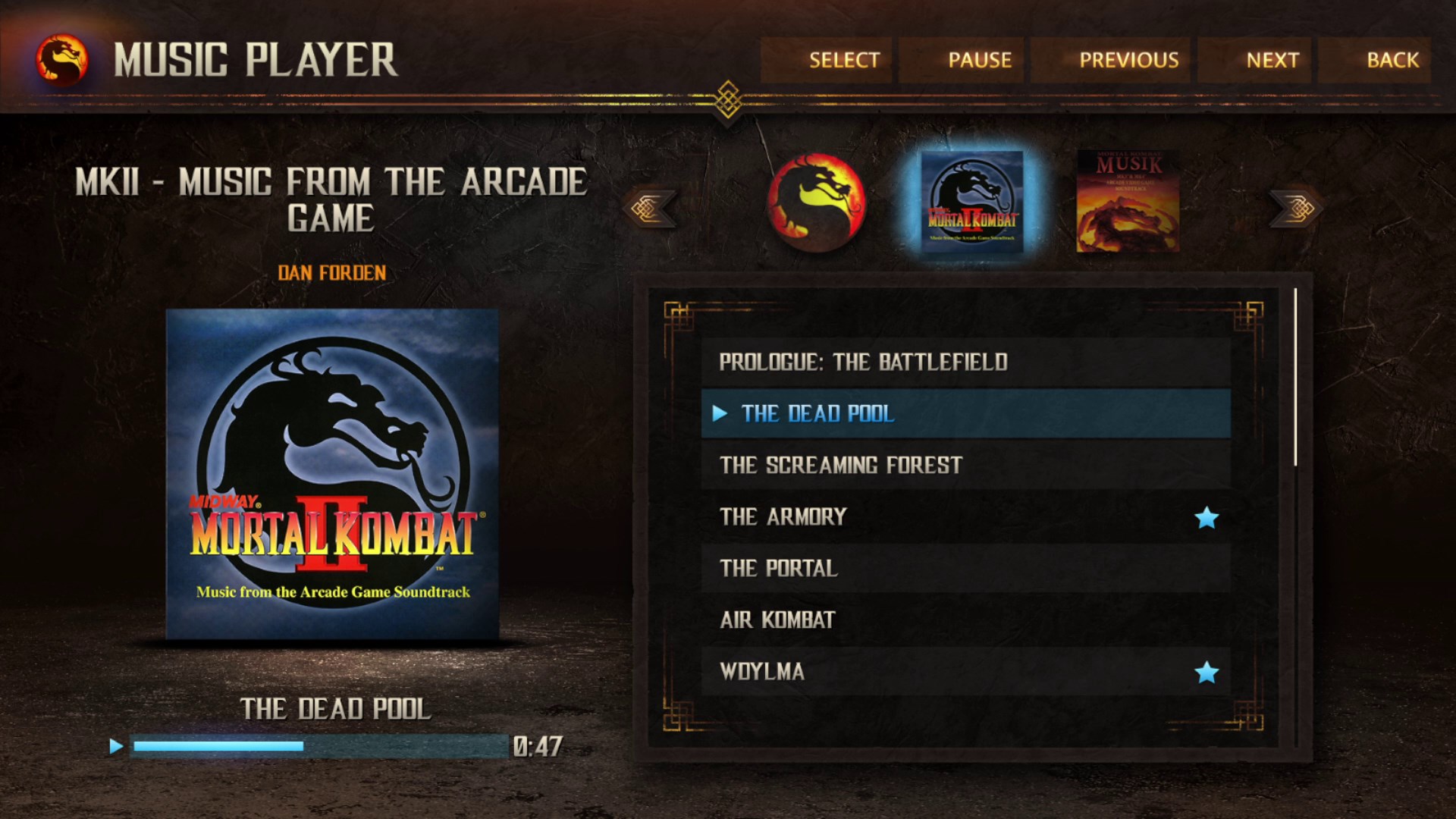
Nothing wrong about the games’ presentation. Each game is a faithful representation of their original counterparts; some of them, mostly the portable ones, really show their age whereas the home console and arcade versions have aged surprisingly well. The game also offers a few tweaks in terms of visual presentation like adjusting the screen with TV or CRT bordering. You can even display the list of moves of your character. The soundtracks are as classic as you remember. You can also jump into the Music Player and enjoy the various (mostly memorable) scores of the 1990s.
This bundle unfortunately has two problems. The first one is the difficulty settings. For a lot of the games, they feel inconsequential. Even on Extra Easy, in some games, the A.I. can whoop your ass in a matter of second; even on the second fight, they’ll be merciless. And especially against bosses like Motaro or Goro. It also often feels like the A.I. can actually read your input meaning it’ll either easily counter, block or dodge your assault. I tested this theory with the Genesis/MegaDrive of Mortal Kombat; set the difficulty to Easy; couldn’t get past the Endurance rounds. Yet I plugged in my Genesis and managed to conquer the game on Medium difficulty with little to no effort.
Also the other questionable decision is the game selection. If you’re looking to spotlight a classic franchise like MK, why include stinkers like Mythologies or Advance when you could’ve included Shaolin Monks or any PS2/GC/Xbox era entries. I get that we’ll most likely get a Legacy Kollection Volume 2 at some point, but why punish your fans by bringing back bad memories with broken halfassed games.
While I’ve been a casual fan of the MK series over the years (MK2 on Super NES was my jam), Mortal Kombat Legacy Kollection leaves me disappointed. While I did enjoy revisiting the few I played back in the day or finally get my hands on entries I never played such as the arcade games, the brutal A.I., even on Extra Easy, can make this incredibly frustrating. Newcomers trying to get their footing in will find nothing but frustration especially when some games actually read player input and react instantly. Unless you’re a die-hard MK fans who needs everything in their collection, I recommend you avoid yourself some frustrations or wait for a sale.
Overall
-
CX Score - 70%70%
Summary
Pros
- Great bundle to discover the history of the long running franchise
Cons
- Questionable game selection
- A.I. is somehow cheaper than in their original release
- Games updated to read your inputs