

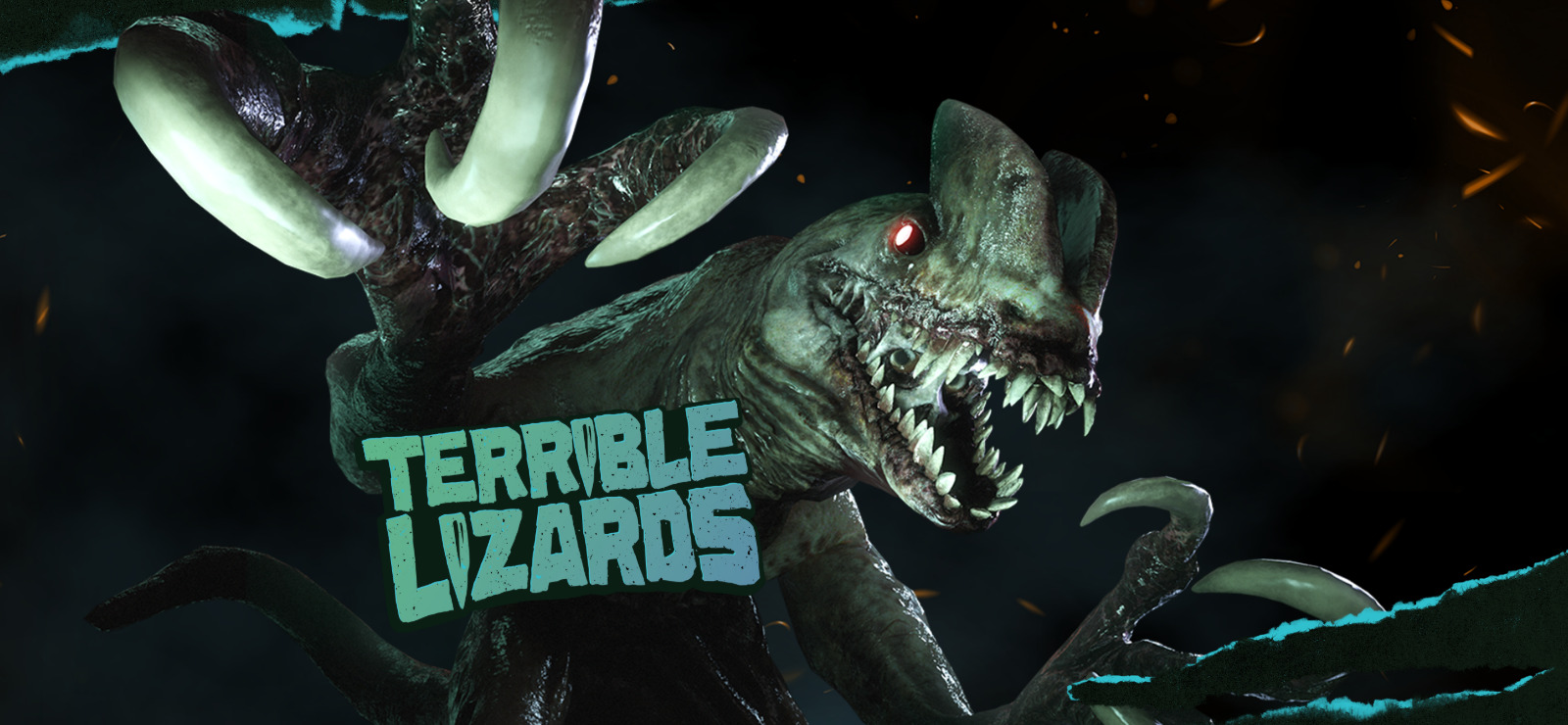
Reviewed on Xbox Series X, Developed by WDR Studios, Published by Digital Pajamas
Every now and then, a game arrives with an aesthetic so distinct and a premise so inherently tense that you immediately want it to succeed. WDR Studios’ Terrible Lizards is one of those games. Dropped onto consoles with a deliciously retro 1992 setting, it strands you inside “Dalton’s Dinos,” a kitschy Route 66 roadside attraction hiding something far more sinister beneath its tourist-trap exterior. Armed with zero weapons and relying entirely on your wits and movement, you are tasked with surviving monstrous, stalking dinosaurs and navigating the subterranean caverns beneath the park.
On paper, it is a brilliant setup for a white-knuckle survival horror experience. In execution, however, Terrible Lizards suffers from a severe identity crisis. Playing it feels a lot like biting into a warm, savoury cheese toastie only to discover someone has spread strawberry jam right in the middle of it. Both ingredients have their merits on their own, and the craftsmanship behind the presentation is undeniable, yet smashing them together leaves a bizarre aftertaste that never quite sits right.
The Thrill of the Hunt
To give credit where it is squarely due, the visual presentation and creature animation in Terrible Lizards are genuinely impressive. The developers clearly poured their heart into bringing these prehistoric terrors to life. Whether you are dealing with hulking, heavy-footed predators or twitchy, unsettlingly lifelike horrors emerging from the shadows, the weight, fluidity, and ferocity of their movement sell the threat immediately.
We have been deliberately scare of some of the creatures you will encounter, let me put it on record that the developer has really surpassed themselves.
When a chase sequence kicks off, the game truly finds its pulse. The sound design swells, the environment closes in around you, and that primal, heart-in-your-throat panic takes over. In those pure, unscripted moments of flight, Terrible Lizards captures the exact kind of vulnerability that makes first-person horror shine. The kitschy 1990s roadside aesthetic—complete with neon signage, fiberglass statues, and claustrophobic maintenance corridors—provides a fantastic backdrop that feels fresh compared to the endless parade of abandoned hospitals and haunted mansions dominating the indie horror space.
The Parkour Problem
Unfortunately, just as the atmosphere pulls you in and the tension reaches a boiling point, Terrible Lizards forces you to abruptly switch gears from terrified survivor to acrobatic free-runner. Rather than leaning into stealth, environmental cover, or tense cat-and-mouse evasion, the game insists on chaining momentum-based parkour—slides, wall-runs, and precision clambers—into the core escape loop.
It is a deeply jarring pivot. When an apex predator is breathing down your neck in a dimly lit cavern, your instincts demand spatial awareness, quick thinking, and desperate scrambling. Instead, you are suddenly wrestling with first-person platforming geometry on a controller. Nothing evaporates horror atmosphere faster than missing a wall-run prompt or misjudging a ledge grab because your momentum angle was slightly off, turning a heart-pounding chase into an immediate, frustrating reload screen.
Worse still are the bouncing mechanics, which feel entirely shoehorned into the level design. Rather than feeling like organic parts of the world, bounce pads and vertical spring traversals come across as artificial roadblocks dropped in to pad out progression. You are never quite sure why a derelict 1992 dinosaur attraction requires Mirror’s Edge-style traversal physics, and the game never makes a convincing case for why they belong here.
What Could Have Been
Playing through the campaign, it is impossible not to imagine the masterpiece Terrible Lizards could have been if the developers had trusted their own atmosphere. Strip away the wall-runs, ditch the bounce pads, and slow the pace down to a pure hide-and-survive stealth horror game, and you would have had something truly special.
Think of the Alien: Isolation formula applied to prehistoric predators. Imagine having to break line-of-sight, duck beneath gift shop counters, hold your breath behind a giant fiberglass T-Rex, and listen carefully to the heavy thud of footsteps echoing down a hallway while a brilliantly animated dinosaur actively hunts you. With creature animations this strong, forcing the player to actually stop, hide, and watch these beasts patrol the environment would have milked every single ounce of dread out of the setting. By bolting on high-speed parkour, the game denies itself the slow-burn tension it is so clearly built to deliver.
Even reaching the final chapter, it becomes clear that no last-minute twist—short of the dinosaurs breaking into a synchronized dance routine—is going to reconcile these two clashing halves. It is a game at war with itself, where genuinely great horror design is constantly tripped up by mechanics that belong in a completely different genre.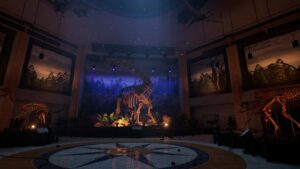
Final Verdict
Terrible Lizards is a frustratingly fascinating near-miss. You can see the bones of an atmospheric, tense survival horror gem underneath all the acrobatic clutter, and pushing through to the credits is still worthwhile if you can make peace with its mechanical quirks. Without the intrusive parkour and tacked-on bounce physics, this could easily have been a 7 or even an 8/10 stealth-horror standout. As it stands, the jarring clash between its brilliant prehistoric terror and awkward platforming leaves it sitting squarely as a respectable, if conflicted,
Overall
-
CX Score - 60%60%
Summary
Pros:
- Superb Dinosaur Animations: The creatures move with terrifying weight, speed, and lifelike fluidity, making every encounter visually compelling.
- Heart-Pounding Chase Atmosphere: When the predators lock onto you, the audio-visual presentation delivers genuine, pulse-racing adrenaline.
- Distinctive 1992 Roadside Setting: “Dalton’s Dinos” offers a memorable, kitschy Route 66 horror vibe that stands out from standard genre tropes.
Cons:
- Jarring Parkour Mechanics: Chaining wall-runs and momentum jumps during horror chases breaks immersion and clashes wildly with the tone.
- Shoehorned Bouncing Physics: Bounce mechanics feel tacked onto the level design rather than serving any natural gameplay or world-building purpose.
- Missed Stealth Potential: Forcing fast traversal robs the game of the slow-burn, hide-and-seek tension its incredible creature design deserves.