

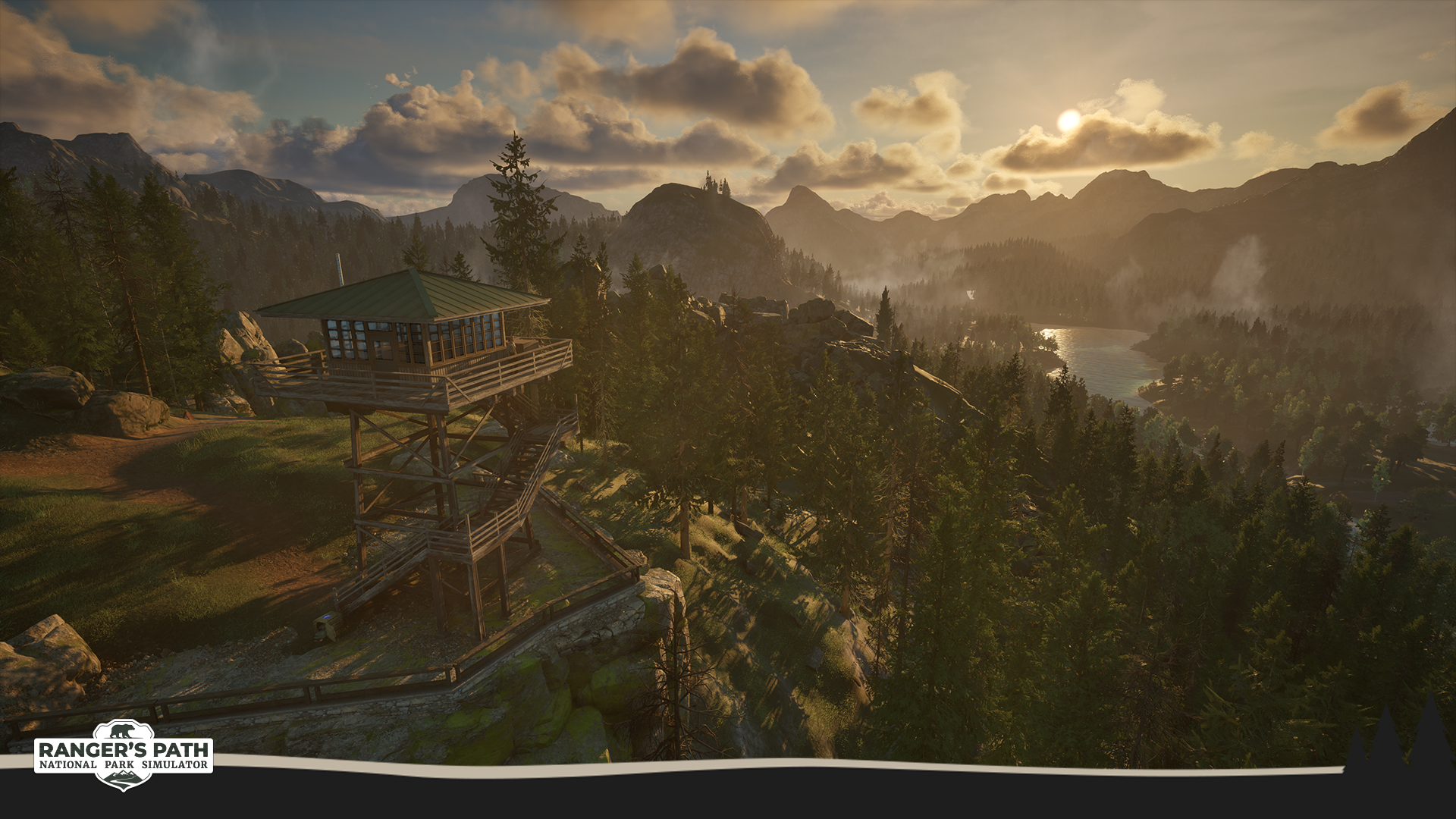
There’s an undeniable charm to simulation titles that step away from high-stakes action and let you inhabit a slice of working-class life. Whether it’s trucking across state lines or power-washing a driveway, the genre has carved out a massive niche on Xbox. Ranger’s Path: National Park Simulator aims directly for that cosy, nature-focused sweet spot. Developed by To-Go Games and published by Astragon Entertainment – a studio that knows a thing or two about niche simulation experiences. This title tasks players with running the daily operations of Faremont National Park.
It promises a blend of eco-preservation, wildlife documentation, and emergency management. But after putting in the hours behind the wheel of our ranger pickup and patrolling the wilderness on Xbox Series X, does Ranger’s Path deliver a breath of fresh mountain air, or does it get lost in the woods?
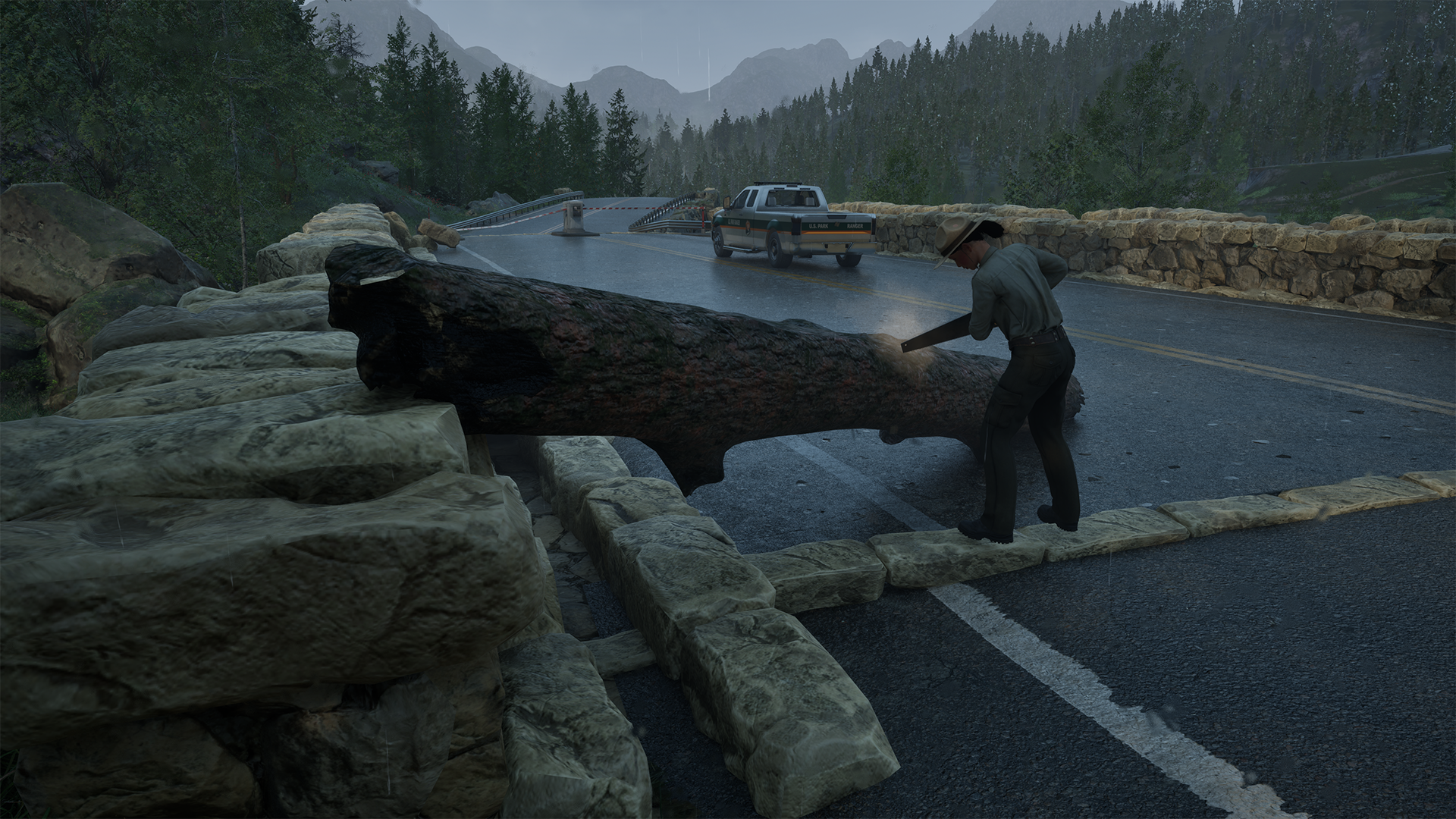
From the moment you step foot into Faremont, Ranger’s Path makes a strong visual impression. Powered by Unreal Engine, the park’s environments range from dense pine forests and winding riversides to sunlit alpine meadows. Dynamic weather cycles and a shifting day-night loop add real atmosphere to the landscape. Watching the sun break through the canopy after a heavy downpour while driving along a dirt access road is easily one of the game’s highlights.
Your primary directive as a new badged park ranger is simple: maintain the ecosystem, assist visitors, keep the facilities running, and protect local wildlife. Your daily loop is managed via radio callouts from your supervisor, Effy, alongside a growing list of tasks across your assigned zones.
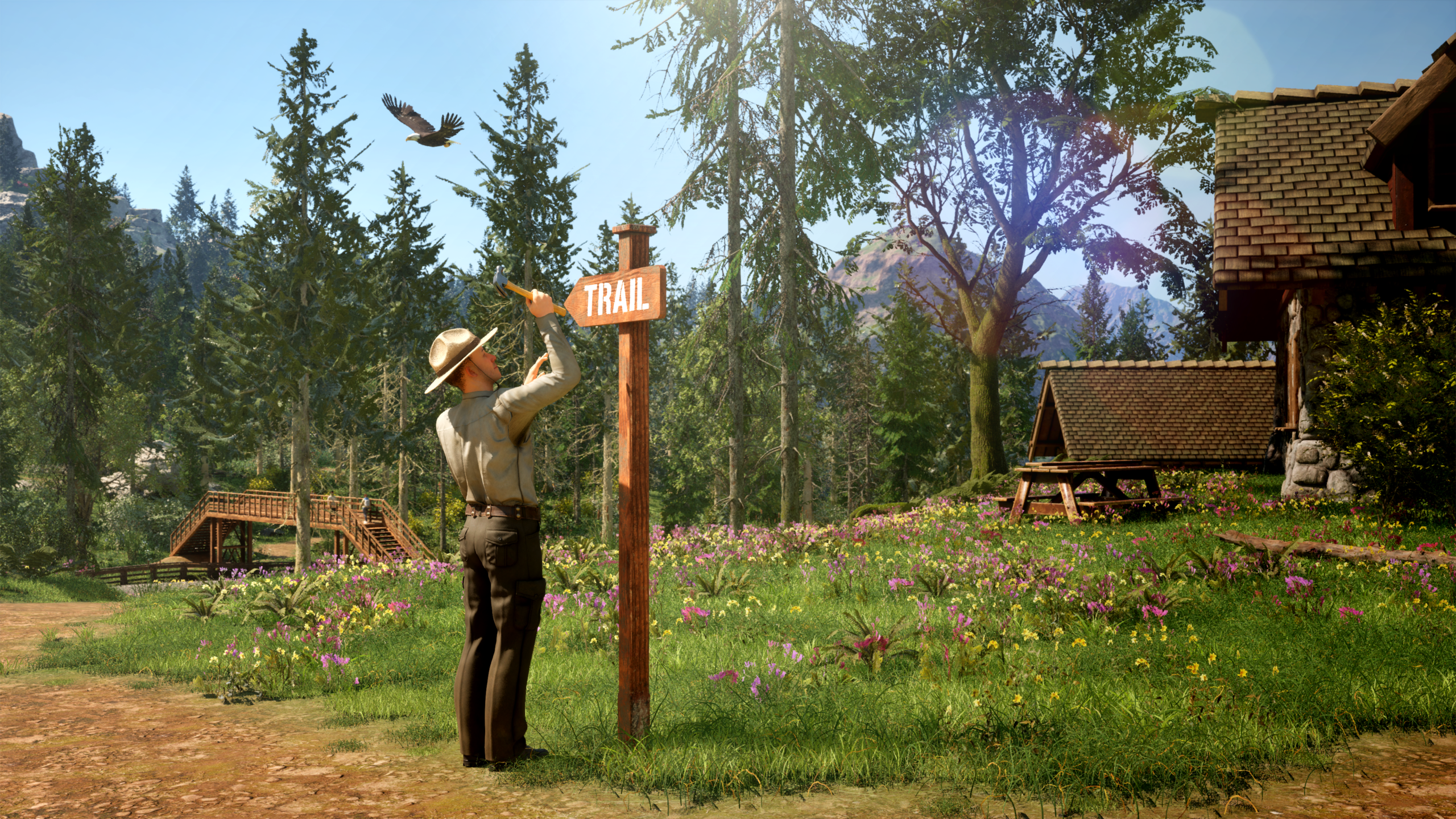
Gameplay in Ranger’s Path is divided into a mix of hands-on physical labour, observation, and light logistics. One minute you’re clearing downed branches, fixing damaged trail signs, and clearing out trash from abandoned campsites; the next, you’re hopping into your ranger pickup to transport supplies to a remote station.
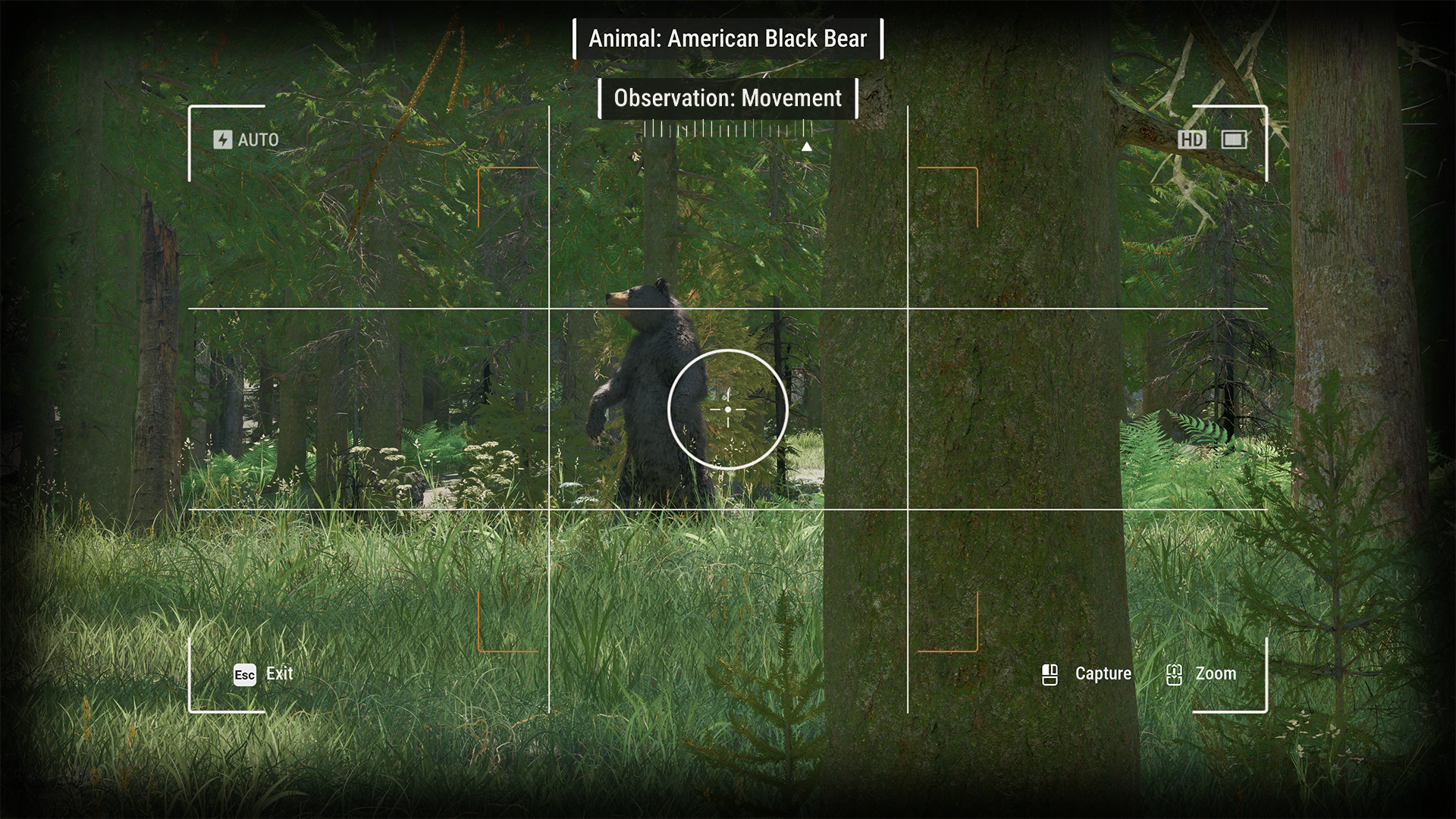
The game’s non-violent approach to wilderness exploration feels refreshingly chill. Instead of hunting equipment, your primary gear includes a ranger camera used to identify and document local fauna and flora for the park’s internal collection. Spotting a bald eagle soaring over a lake or tracking a family of deer through the brush provides a genuine sense of calm. Flora surveys also require you to inspect plant health and eradicate invasive weed species to keep the biomes healthy.
Beyond environmental maintenance, you’re also responsible for park visitors. You’ll regularly interact with hikers, check permits, look out for suspicious behaviour, and respond to callouts like locating lost tourists. These emergency scenarios break up the routine clean up tasks and give the world a welcome sense of activity.
Translating detailed simulation interfaces to a console controller can be a minefield, but Ranger’s Path manages the transition decently on Xbox Series X|S. Menu navigation, often the bane of PC-to-console simulation ports – is bound intuitively to radial menus and controller shortcuts, making tool selection on the fly relatively pain-free.
Driving the ranger pickup across the park’s trail network is functional, though steering can occasionally feel a bit weightless and floaty, particularly when navigating tighter, high-altitude mountain turns. On the performance front, the Xbox Series X holds a solid frame rate through most open-air exploration, though dense foliage during heavy rainstorms can produce minor frame pacing stutters.
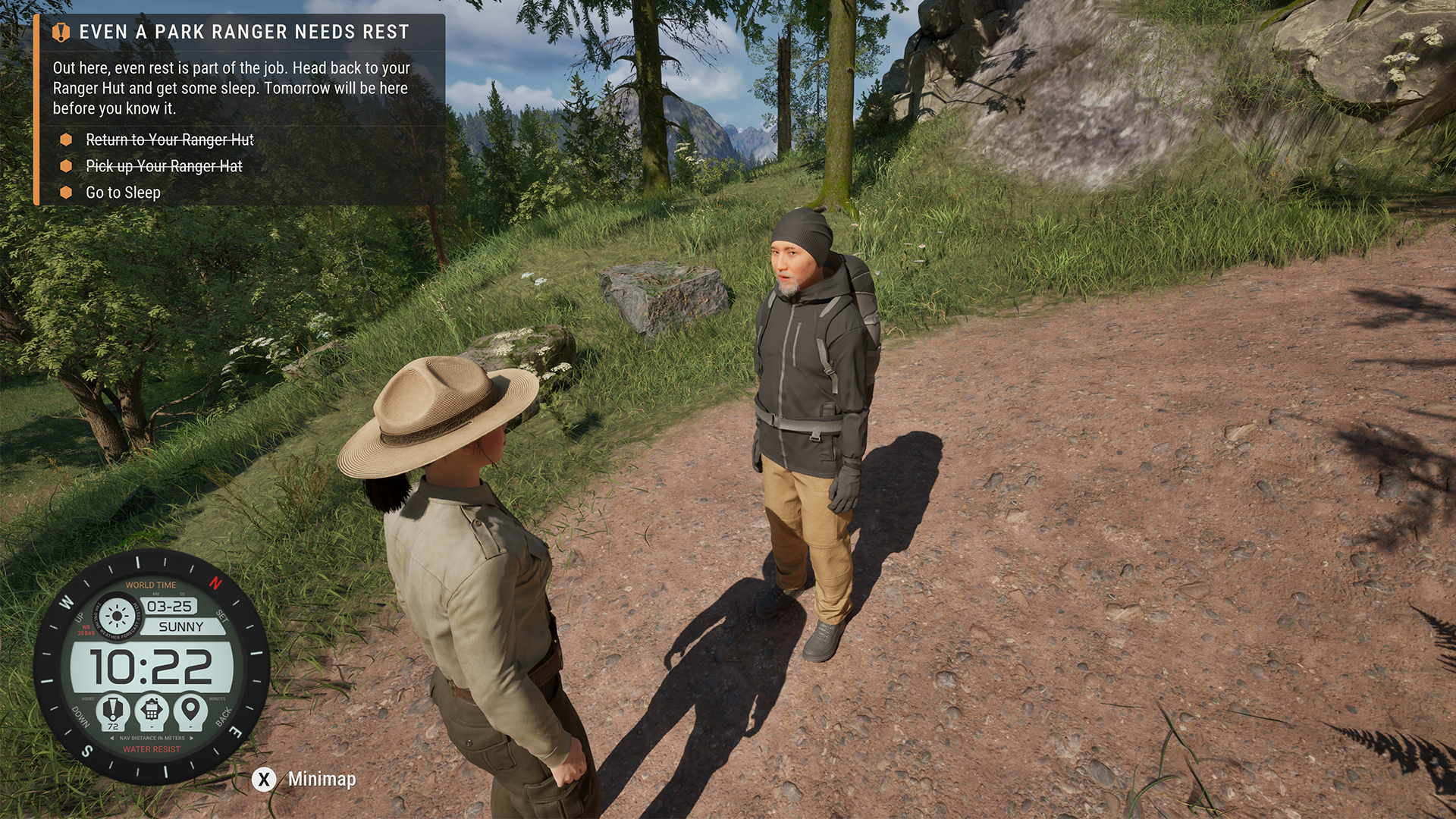
While Ranger’s Path excels at creating a peaceful atmosphere, it struggles to maintain mechanical depth over long sessions. After the initial few hours, the gameplay loop reveals its repetitive nature. Repairing broken fence posts, picking up litter, and checking hiker permits follow identical minigame sequences every time.
The visitor permit system in particular feels underbaked. Demanding permits from campers rarely yields meaningful choices or consequence, quickly making it feel like a chore rather than an engaging administrative feature. Furthermore, while the emergency callouts offer brief excitement, the artificial intelligence of lost hikers and park visitors is fairly basic, taking away some of the immersion when an emergency play-out is resolved by simply walking an NPC back along a preset path.
The game’s internal clock and progression pacing also suffer from slight balance issues. Days can feel a bit rushed, forcing you to sprint between maintenance tasks rather than encouraging the slow, deliberate pace that the ambient nature sounds and scenic views invite.
Ranger’s Path: National Park Simulator is a cosy, visually appealing simulation that successfully captures the quiet pride of maintaining the outdoors. Its focus on ecology, photography, and park upkeep makes it a great palette cleanser for gamers looking to unwind.
However, shallow visitor mechanics and repetitive task structures hold it back from reaching true simulation greatness. If you enjoy low-stress job simulators and love the outdoors, there’s plenty to appreciate in Faremont National Park, just don’t expect a deep management sim beneath its scenic trees.
Overall
-
CX Score - 69%69%
Summary
Pros
-
Beautiful, atmospheric environments with good lighting and weather effects.
-
Satisfying photography and wildlife documentation mechanics.
-
Relaxing gameplay loop.
Cons
-
Tasks and minigames quickly become repetitive.
-
Visitor interaction and permit systems lack mechanical depth and aid.
-
Vehicle handling feels floaty on controller.