

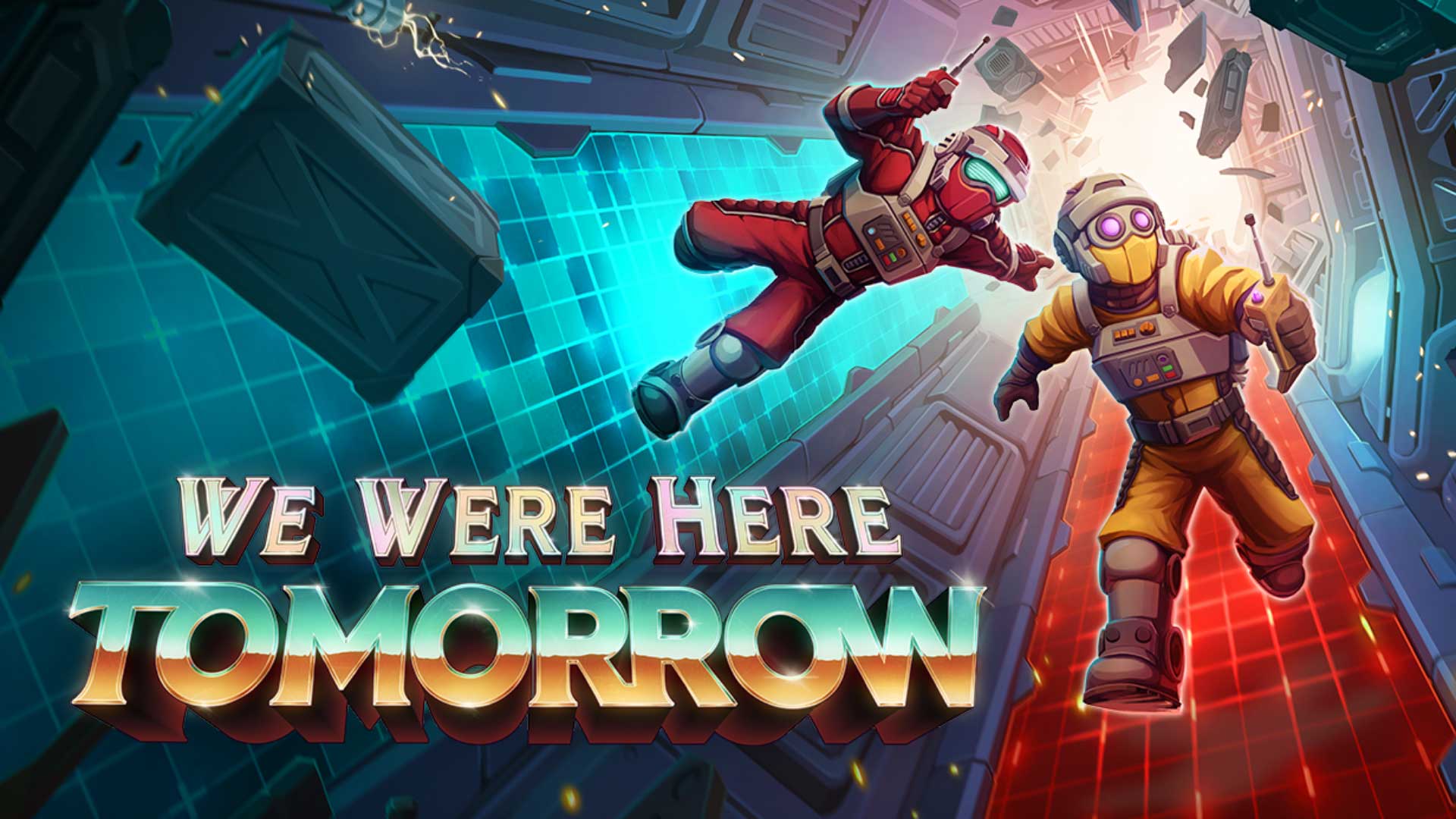
Total Mayhem Games has long held a special place in the hearts of co-operative puzzle aficionados. Ever since the original We Were Here dropped in 2017, the studio’s signature recipe—asymmetrical puzzles, strict walkie-talkie communication, and atmospheric environmental storytelling—has set the standard for cooperative brainteasers.
With We Were Here Tomorrow, the developers make their most audacious leap yet. Trading the familiar medieval, icy gothic confines of Castle Rock for a sleek, eerie retro-futuristic research facility buried deep beneath Antarctic ice, We Were Here Tomorrow reinvents the franchise’s aesthetic while refining its core mechanics into near-perfection.
The result is an exhilarating, brain-melting, and occasionally shout-inducing adventure that proves two heads are infinitely better than one, although you may fall out with your partner in crime.
A Fresh Setting: From Medieval Gothic to Sci-Fi Intrigue
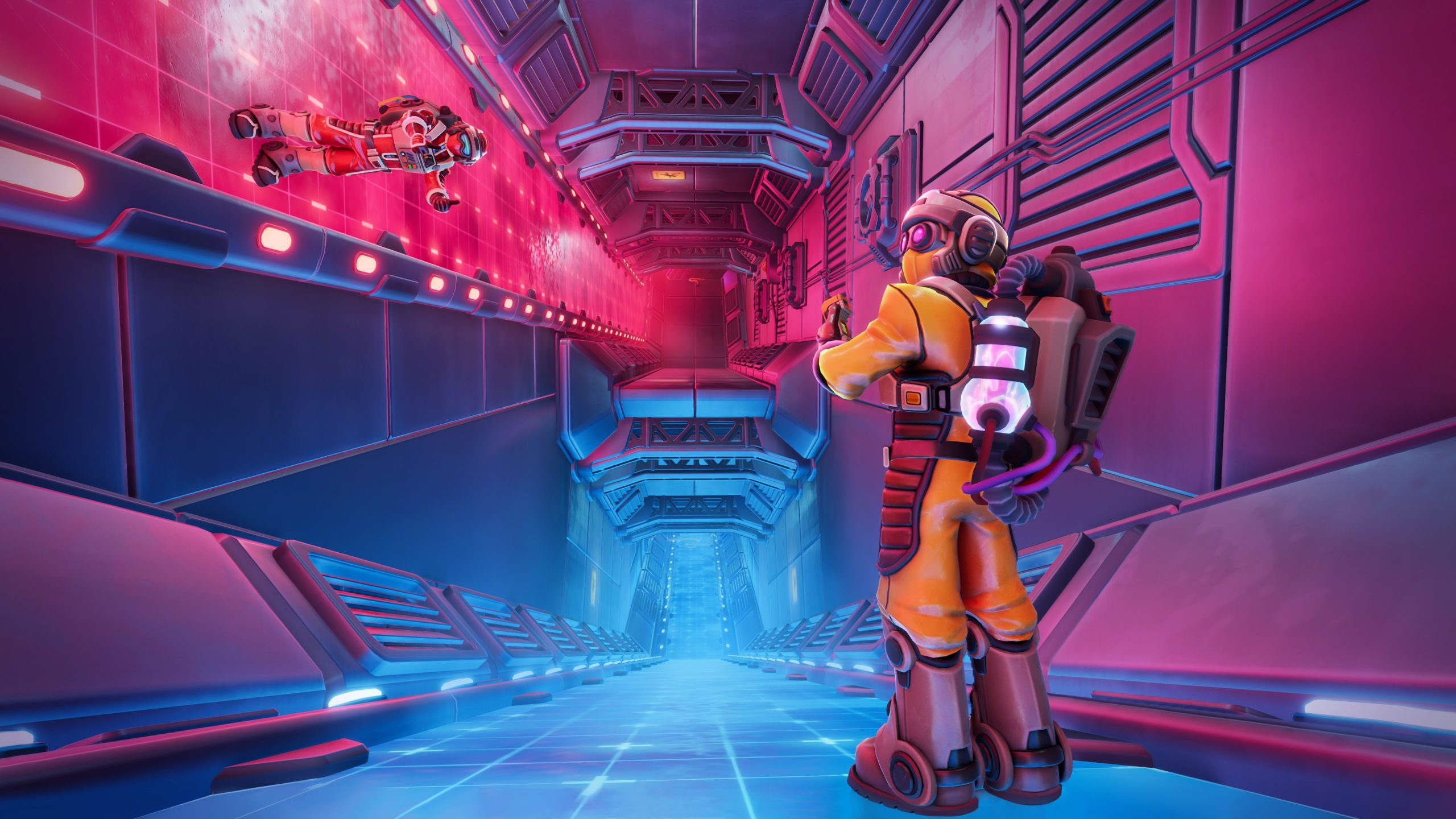
The premise immediately establishes a total shift in tone. You and your co-op partner (who was my other half for this review) wake up from cold stasis pods inside the underground Norček Industries facility with fragmented memories. Outside, the world is unrecognisable; inside, a cryptic, booming figure known as The Director guides your movements through speakers, assigning you a series of complex tasks without revealing her true end goal.
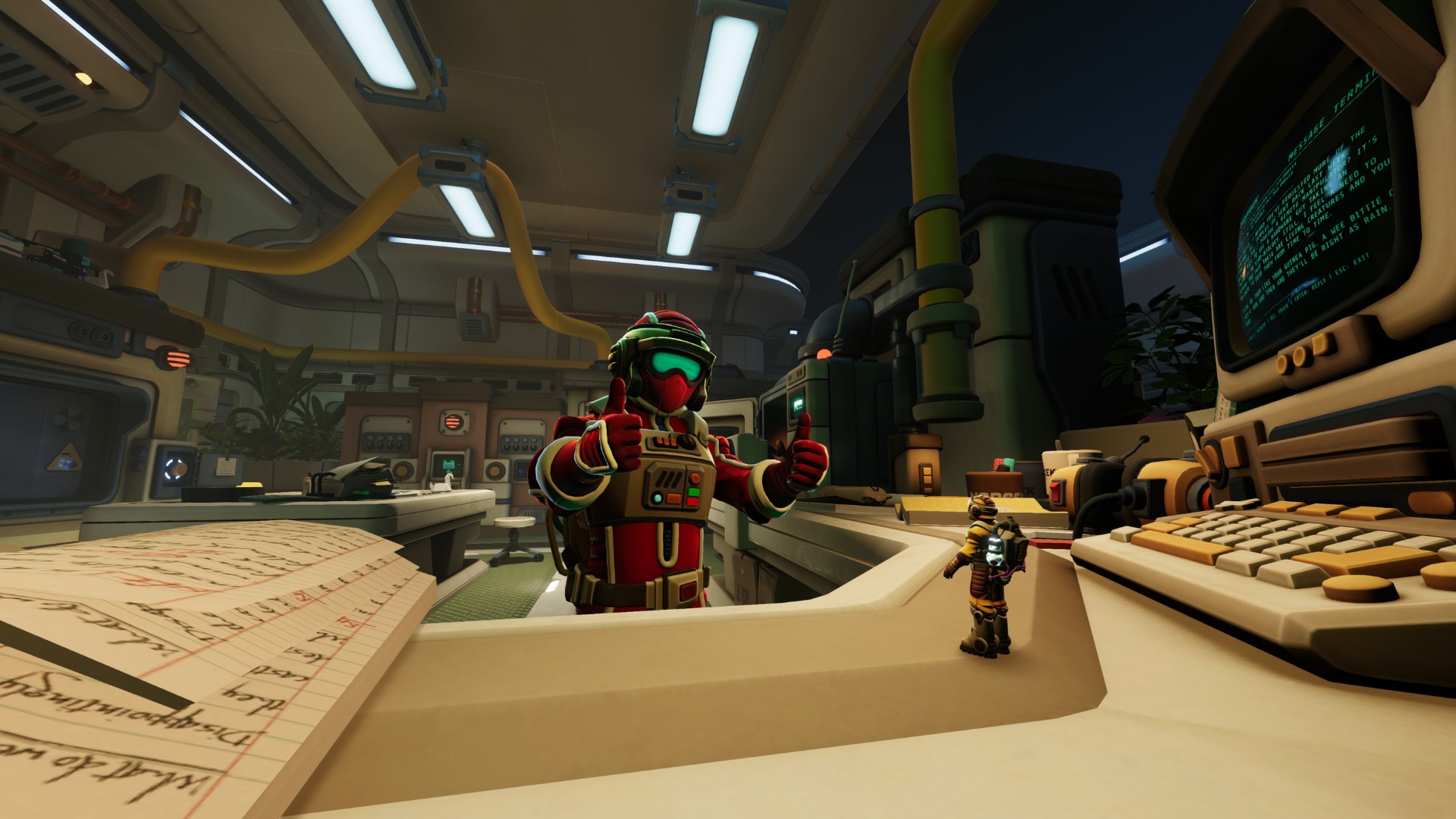
Moving away from the cursed hallways of Castle Rock is a bold move, but it pays off immensely. The retro-futuristic architecture – evoking a blend of 1970s analogue sci-fi, Control-style brutalism, and Aperture Science coldness—offers a striking backdrop. Fluorescent-lit control rooms, overgrown biomes hidden beneath dome shields, and flickering monitor banks replace torchlit dungeons, delivering a fresh visual narrative that feels distinct while retaining the series’ characteristic eerie isolation.
Mechanics & Puzzles: The Art of Asymmetrical Communication
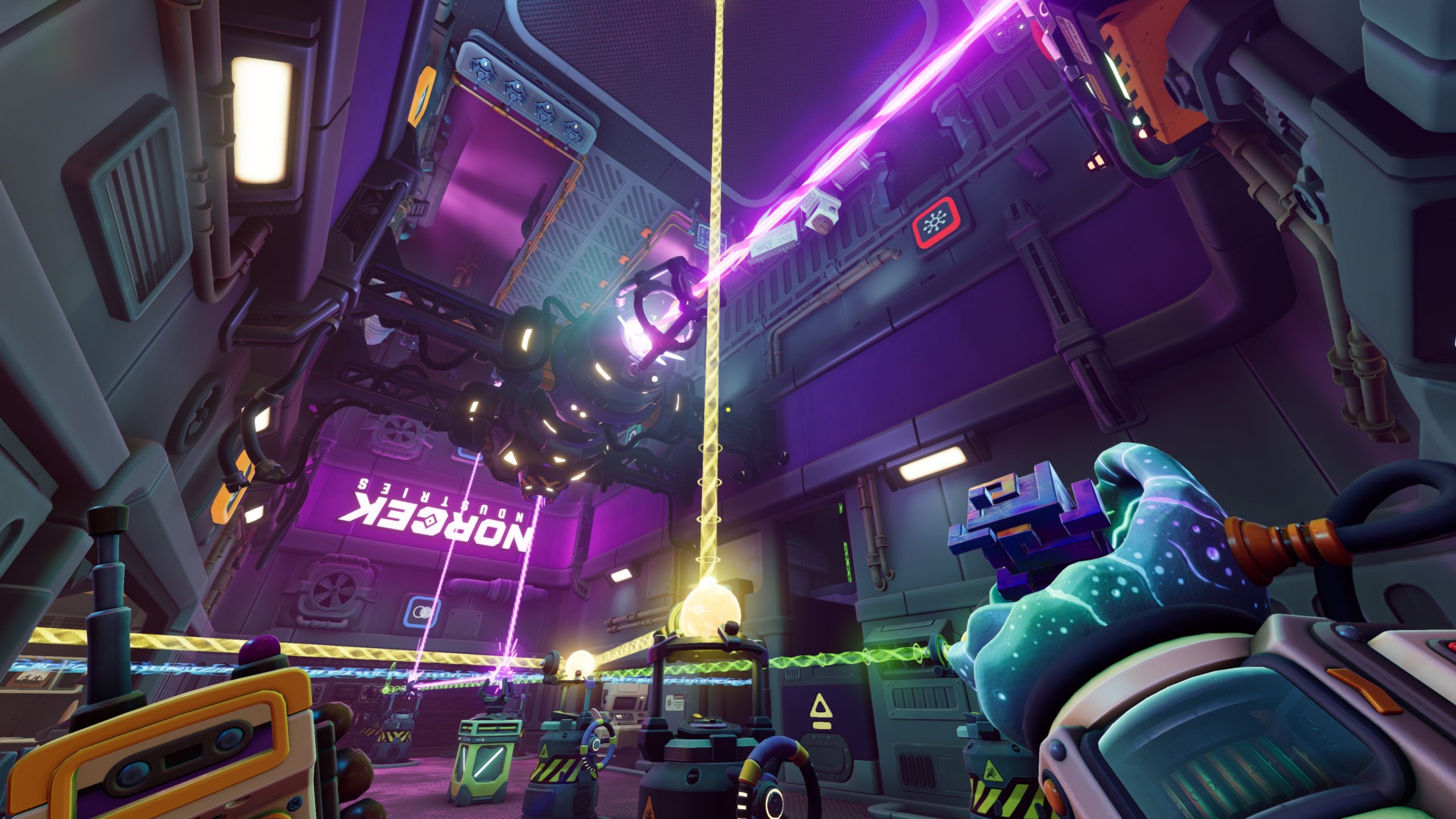
At its core, We Were Here Tomorrow remains true to the series’ essential golden rule: you cannot see what your partner sees a lot of the time. Success hinges entirely on how effectively you can describe abstract shapes, complex chronologies, or rapidly changing sequences over your push-to-talk walkie-talkies.
There was a great section that demonstrates this early on without spoiling too much, but your partner shrinks down small and there’s a chamber where you need to mix chemicals. The twist is you can see the crucial chemical information and in what order, which you then have to communicate to your mini partner to move the vial under the correct chemicals ready for you to pull the lever and pour.
Total Mayhem Games elevates this formula even further by introducing two major design innovations. For the first time, both players possess distinct tools beyond simple walkie-talkies. For example, one section I played had one player wield a cube making gun whilst the player had a sticky tongue weapon, useful for grabbing and pulling levers from afar. This adds a layer of tactical execution on top of pure verbal communication.
The puzzles themselves also avoid repetitive logic loops. One moment you are cross-referencing audio frequencies to decode a lock, and the next you are orchestrating a synchronised environmental puzzle where a three-second delay means instant reset for both players.
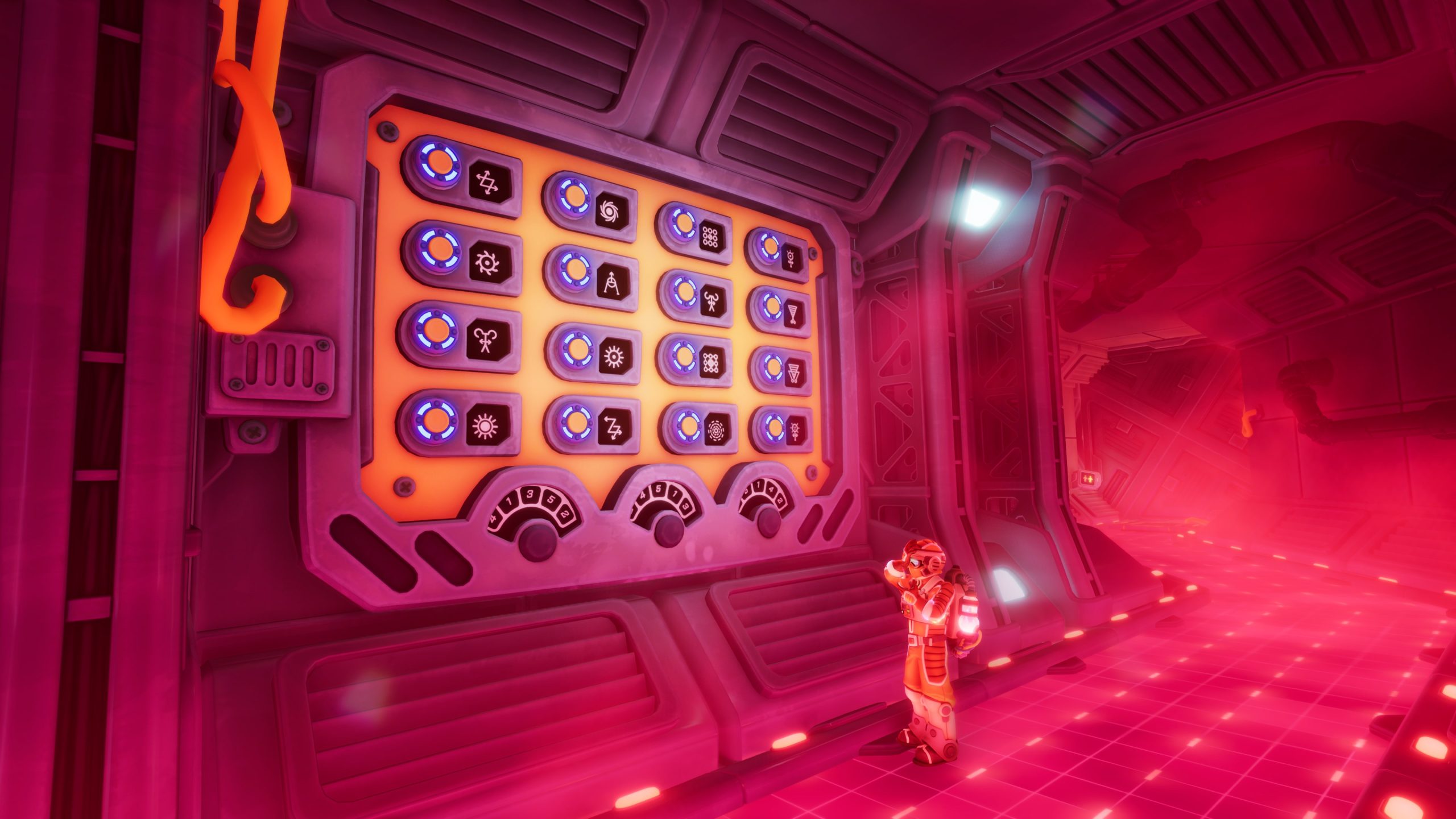
The puzzle design strikes an exceptionally sweet spot between challenge and fairness. Eureka moments feel genuinely earned; when a solution clicks after ten minutes of frantically shouting descriptions of symbols to your partner, the rush of shared triumph is unmatched.
Atmosphere, Audio, and Narrative Depth
The audio and visual presentation in We Were Here Tomorrow is the highest production quality the studio has ever delivered. Sound design plays a crucial role in maintaining tension: the hum of ancient generators, the satisfying click of heavy relays, and the crackle of your walkie-talkie all contribute to a feeling of tangible presence.
The voice performance of The Director deserves special praise. Her voice hovers perfectly between maternal warmth and cold authority, keeping both players constantly second-guessing whether they are working toward their escape or walking straight into a trap.
Narratively, Tomorrow offers more direct agency than previous instalments. Without spoiling the climax, the decisions you make alongside your partner throughout the facility culminate in branching final scenarios. “Decide together what tomorrow will hold” is not just a tagline – it is a central mechanical feature that leaves a lasting emotional impact.
Minor Friction Points
While We Were Here Tomorrow is a triumphs-filled experience, it isn’t entirely without minor flaws. Like its predecessors, the game requires two players. There is no single-player mode or AI companion. Finding a partner with a matching schedule and a working microphone remains a hard prerequisite today, especially for the older gamers among us who have a work and family life.
There may be some questioning its replayability after one full playthrough, but what I did enjoy was that once you have completed the campaign, you can play again and swap roles to experience your partner’s perspective and some of the puzzles do also vary when you complete them a second time, so you can’t just go from memory and race through them.
Summary
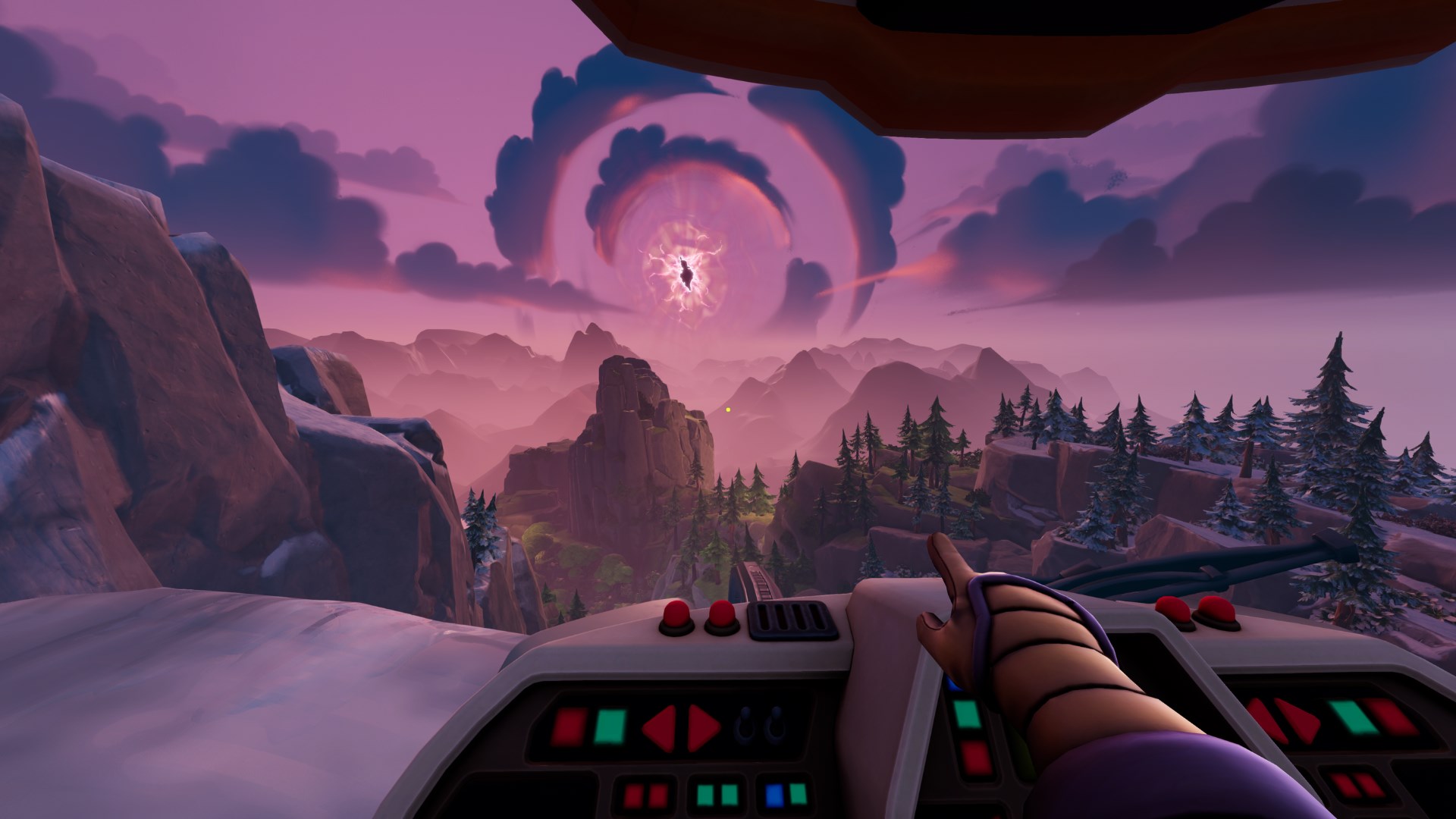
We Were Here Tomorrow is a resounding success. By stepping out of Castle Rock’s shadow and into the sleek, mysterious halls of Norček Industries, Total Mayhem Games has delivered yet another polished, inventive, and captivating co-op puzzle adventure to enjoy with a friend or loved one. If you have a trusted player two, a reliable headset, and an appetite for mind-bending puzzles, We Were Here Tomorrow is an absolute must-play.
Overall
-
CX Score - 88%88%
Summary
Pros
- Fresh tools like gravity manipulation and frequency scanning keep asymmetrical puzzles feeling dynamic.
- Strict, walkie-talkie-driven puzzle solving delivers unmatched teamwork and immensely satisfying “eureka!” moments.
- High-quality sound design and a sinister, fully voiced antagonist elevate immersion throughout.
Cons
- Demands a dedicated partner with a microphone – there is no solo, AI, or local split-screen option.
- A few strict, fast-paced timed sequences disrupt the game’s otherwise thoughtful analytical flow.