

Discovering The Beauty Of The Peloton
I’ll admit it straight away: before Tour de France 2026, I had never played a Tour de France game.
Like many people, I knew the basics of cycling. I understood the prestige of the Tour de France, recognised the iconic yellow jersey, and appreciated the incredible athleticism required to compete at the highest level. What I wasn’t entirely convinced about was how that experience could translate into a video game that would hold my attention for dozens of hours.
After all, cycling isn’t the most obvious sport to adapt into an interactive experience. From the outside looking in, it can appear relatively straightforward. Riders race from one point to another, conserve their energy, and make their move when the opportunity presents itself. It doesn’t immediately sound like the recipe for a compelling game.
Tour de France 2026 quickly changed my mind.
What initially felt like a niche sporting title aimed squarely at cycling enthusiasts gradually revealed itself to be something far more engaging. The deeper I got into the experience, the more I began to understand the strategy, the tactics, and the constant decision-making that sits beneath the surface of every stage. Before long, I found myself completely invested, carefully managing energy reserves, planning attacks, and becoming genuinely excited about the challenges waiting in the next stage.
By the time the credits rolled on my first major tour, I wasn’t just enjoying the game. I had developed a newfound appreciation for the sport itself.
That’s perhaps the greatest compliment I can give Tour de France 2026.
More Than Just Pedalling
One of the biggest surprises during my time with the game was discovering just how tactical cycling really is.
When you first jump into a race, it’s easy to assume success comes from simply riding as hard and as fast as possible. Tour de France 2026 wastes little time showing you why that approach is doomed to fail. Every stage is a carefully balanced test of patience, timing, and resource management, with your rider’s energy reserves becoming just as important as raw speed.
Learning when to push and when to hold back quickly becomes essential. Attack too early and you’ll find yourself exhausted long before the finish line. Play things too conservatively and the race can slip away from you before you have a chance to respond.
This creates a surprisingly satisfying rhythm throughout every event. Long stretches of careful positioning suddenly give way to frantic moments of decision-making as rival riders launch attacks or opportunities emerge to break away from the pack. It constantly keeps you engaged because every choice feels meaningful.
What impressed me most was how naturally these systems began to click. At first, some of the mechanics felt intimidating, especially as a newcomer to the series. However, after a few races, I found myself reading situations more effectively, understanding when to conserve energy, and spotting opportunities that I would have completely missed during the opening hours.
The result is a game that rewards patience and learning in a way that feels genuinely satisfying.
Every Stage Tells A Different Story
One of the reasons Tour de France 2026 remains engaging throughout its lengthy career modes is because no two stages ever feel quite the same.
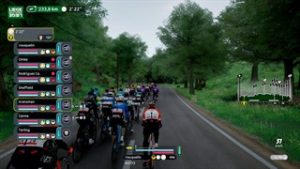
Some races are built around explosive sprint finishes where every second matters. Others focus on endurance, requiring careful management of your rider across long and demanding routes. Then there are the mountain stages, which often become dramatic battles of attrition where strategy can matter just as much as physical performance.
The variation helps prevent the experience from becoming repetitive.
Even when you’re participating in similar events, the circumstances surrounding each race can dramatically alter your approach. Weather conditions, terrain, rider form, and tactical situations all contribute towards making every stage feel unique.
There were countless moments where I started a race with a clear plan in mind, only for events to unfold in completely unexpected ways. Those situations often produced some of the most memorable moments in the game, forcing me to adapt and think on the fly rather than simply following a predetermined strategy.
It’s these dynamic moments that elevate Tour de France 2026 beyond what many people might expect from a cycling game.
The races don’t simply play out in front of you.
You actively shape how they unfold.
Authenticity Creates Immersion
For fans of professional cycling, authenticity is always going to be important, and Tour de France 2026 does an excellent job of recreating the atmosphere surrounding one of the biggest sporting events in the world.
The official licensing helps enormously here. Seeing real teams, riders, jerseys, and iconic locations immediately adds credibility to the experience and helps create a stronger sense of immersion. Even as someone who isn’t a dedicated cycling fan, I could appreciate the effort that has gone into presenting the sport accurately.
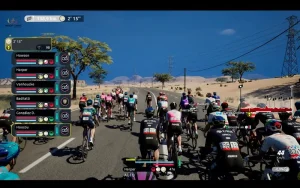
The race environments themselves are particularly impressive. Stages capture the scale and spectacle of the Tour beautifully, with large crowds lining the routes and creating the feeling that you’re taking part in something significant.
There’s a genuine sense of occasion whenever you line up for a major stage.
Combined with strong presentation and solid commentary, the game does a good job of making you feel like you’re participating in a real cycling event rather than simply moving through a series of disconnected races.

Learning The Language Of Cycling
Perhaps the biggest strength of Tour de France 2026 is how effectively it introduces newcomers to the sport.
There is certainly a learning curve, and I won’t pretend otherwise. Some of the terminology, systems, and tactical concepts can feel overwhelming during the opening hours. If you’ve never played a cycling game before, there will be moments where you’re simply trying to understand what certain mechanics actually mean.
Thankfully, the game does a respectable job of easing players into its deeper systems.
As your understanding grows, so does your appreciation for everything happening on screen. Concepts that initially felt confusing gradually become second nature, and before long you’re making strategic decisions without even thinking about them.
That progression feels incredibly rewarding.
It’s rare to play a sports game that teaches you so much about the real-world sport it represents, but Tour de France 2026 manages exactly that. By the end of my time with the game, I understood far more about professional cycling than I ever expected to.
More importantly, I genuinely cared about it.
A Strong Performance On Xbox Series X
Playing on Xbox Series X, Tour de France 2026 delivers a solid overall experience.
Visually, the game presents itself well, with detailed rider models, attractive environments, and plenty of variety across the different stages. The routes themselves are often a highlight, particularly during mountain sections where the scenery helps break up the intensity of the racing.
Performance remains stable throughout the majority of the experience, allowing races to flow smoothly without major technical distractions. While it may not be the most visually groundbreaking sports title available on Xbox, it consistently delivers an authentic and enjoyable representation of the sport.
The atmosphere created during major races is particularly effective. Crowds, team colours, and race-day presentation all contribute towards making events feel important.
There’s always a sense that you’re competing in something meaningful.
That feeling goes a long way towards maintaining immersion across longer play sessions.

Not Every Climb Is Perfect
While I thoroughly enjoyed my time with Tour de France 2026, there are a few areas where the experience could still improve.
The biggest hurdle is undoubtedly the learning curve. Although the game does a reasonable job of introducing its systems, newcomers may still find themselves overwhelmed during the early stages. There are moments where additional explanations or better tutorials would have helped make certain mechanics easier to understand.
Presentation also occasionally shows its limitations. While the race environments look good, some visual elements lack the polish seen in larger sports franchises. It’s never enough to significantly damage the experience, but there are moments where the game feels slightly behind the industry’s biggest names.
Additionally, some stages can feel a little lengthy, particularly if you’re tackling multiple races during a single session. While realism is obviously part of the appeal, there were occasions where the pacing slowed more than I would have liked.
Fortunately, these issues never overshadow what the game does well.
They simply prevent it from reaching the very highest level.
Final Thoughts
Tour de France 2026 surprised me.
Coming into the game as someone with no previous experience of the series, I wasn’t entirely sure what to expect. What I found was a thoughtful, strategic, and rewarding sports title that steadily drew me deeper into its systems and ultimately left me with a far greater appreciation for professional cycling.
The racing is engaging, the tactical depth is impressive, and the sense of progression throughout longer tours keeps you invested from start to finish. While there are areas that could still be refined, particularly when it comes to accessibility for newcomers and some aspects of presentation, the overall package is undeniably enjoyable.
Most importantly, it achieves something many sports games struggle to do. It makes you care.
By the end of my time with Tour de France 2026, I wasn’t simply trying to win races. I was planning strategies, managing resources, and genuinely looking forward to the next challenge.
For a first experience with the series, that’s about as strong an endorsement as I can give.
Overall
-
CX Score - 80%80%
Summary
Pros
- Surprisingly deep and rewarding tactical gameplay
- Excellent introduction to the sport for newcomers
- Strong sense of authenticity throughout
- Varied stages keep races engaging
- Solid Performance
Cons
- Learning curve can feel intimidating at first
- Some presentation elements lack polish
- Longer stages can occasionally affect pacing