
Welcome to Proteus. If you’ve just splashed down in Subnautica 2, you’ve likely realised that the rules have changed since the last trip to 4546B. With the game now in Early Access (as of May 2026), the ocean is deeper, the AI is scarier, and the survival mechanics are more intricate than ever.
Whether you’re playing solo or diving in with three friends in the new co-op mode, here is your essential guide to surviving on this beautiful, terrifying new underwater world.
1. Master the “Bio-Loop”
Survival on Proteus isn’t just about hunger and thirst; it’s about Adaptation. Your human body isn’t naturally equipped to digest the local alien fauna.
Early on, you’ll rely on Nutrient Blocks and First Aid Kits from your Lifepod for food and health. A good starting point is to head north-north-west of your Lifepod towards the Underwater Tree. Here, you can unlock the Digestion Adaptation. This allows you to process fish into actual sustenance using your Fabricator’s new Sustenance tab. You can swim around and grab fish and then either eat them immediately but have your thirst penalised or take it back to your fabricator to make a tastier meal for more food and less thirst penalties.
Pro Tip: Water Slugs are your best friend for hydration in the early game. Fabricate them immediately for good thirst boosting levels.
2. Don’t Just Breathe – Optimise
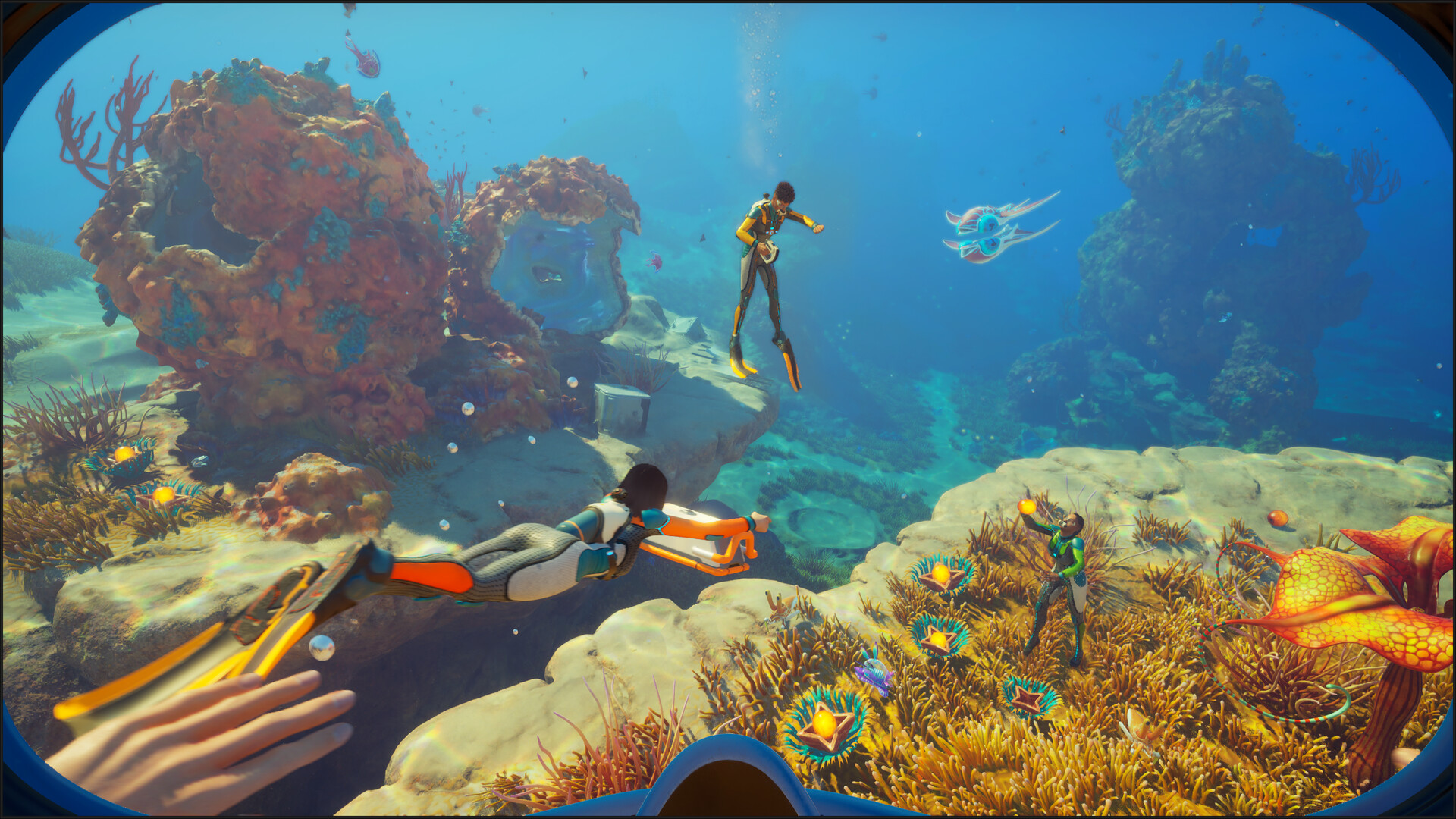
Oxygen is your most precious resource, but the Standard Air Tank is just the beginning.
The Air Bladder Buff: Carry at least two Air Bladders. In Subnautica 2, they aren’t just for emergency ascents; they can be used to “chug” a quick breath of air while deep underwater, buying you those vital extra seconds.
Biomods are Key: Once you have a basic battery, head southeast to the Welcome Center. Use the Biolab to install the Oxygen Control Biomod. It drastically improves your oxygen levels.
3. The Power of the “Sonic Resonator”
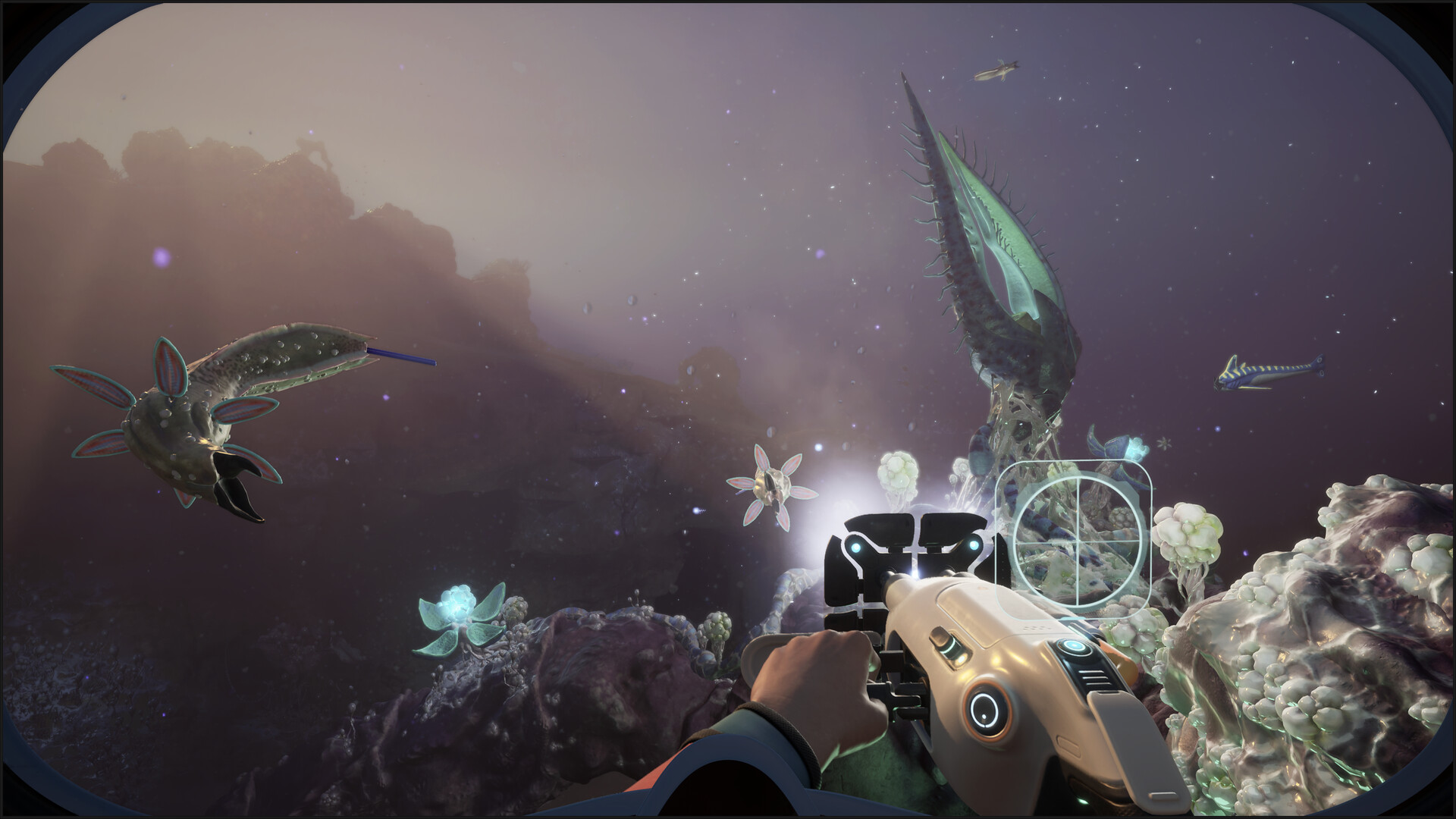
Forget the simple knife-fights of the past. The Sonic Resonator is the MVP of your sea tool belt.
-
Mining & Defense: It allows you to blast away Bloom Biofilm and mine ores that are otherwise unreachable.
-
Crowd Control: Use it to discourage smaller predators or destroy viral blooms.
-
The Lead Hunt: Lead is notoriously hard to find early on, but essential for this tool. Search the shallow rocky outcroppings near the starting biome’s edge.
4. Smart Base Placement: Follow the Current
While you can build your base anywhere, Subnautica 2 introduces a more complex power grid.
The Jetstream Strategy: Look for the “blue wind tunnels”—natural underwater currents. Placing your base near these allows you to utilise Hydroelectric Turbines, which provide constant, reliable power regardless of the day/night cycle.
Scanner Stations: Build one early. It has a 300-meter range and is the only way to reliably find resources such as Silver and Lithium without losing your mind and spending hours searching the darkness of the depths.
5. Mobility is Your Best Defense
Since the game remains strictly “no weapons” (outside of deterrents), your ability to move determines your lifespan.Vehicles are a good starting goal to reach.
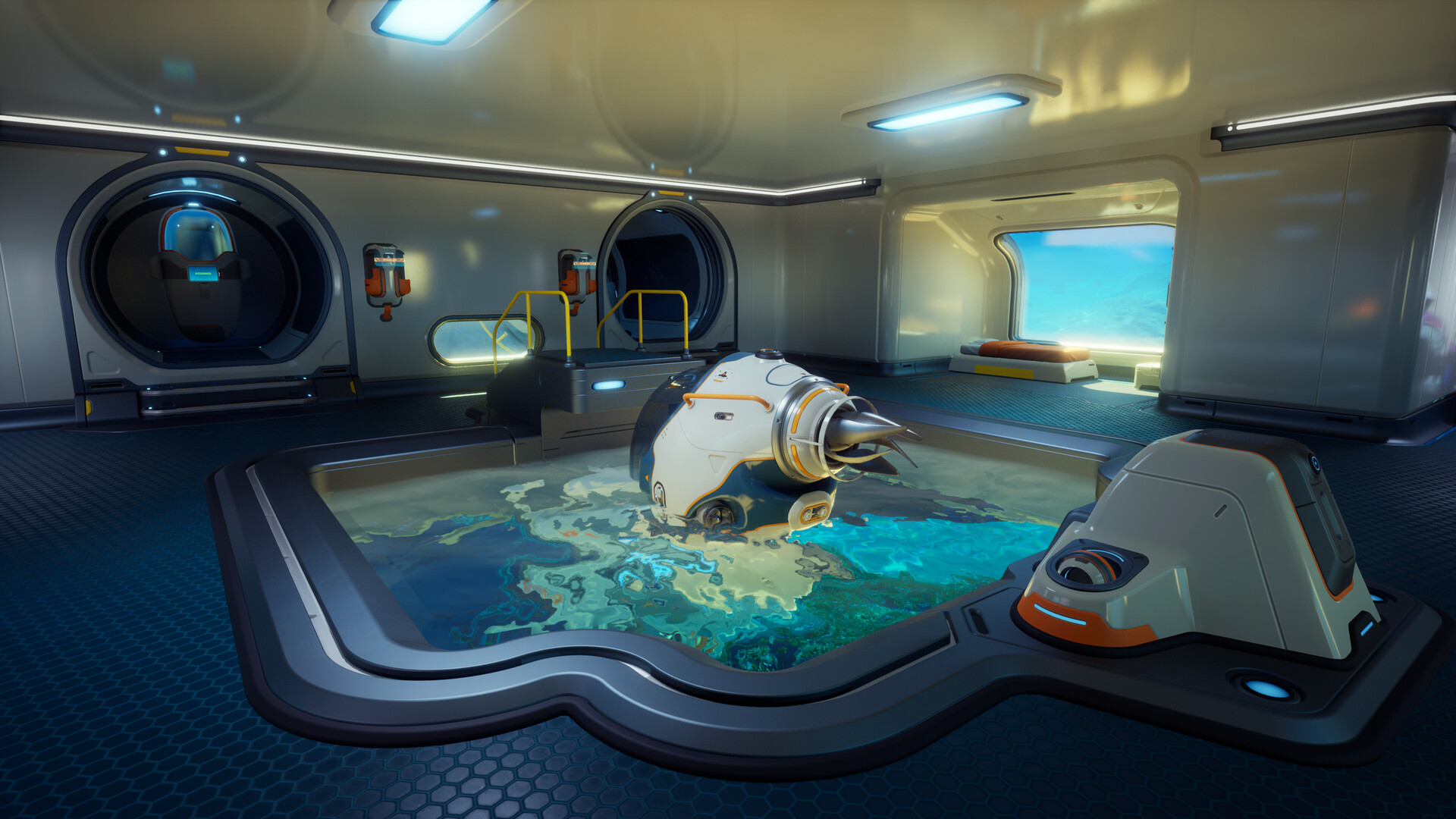
The Tadpole Submersible: This is your first vehicle. It’s small, egg-shaped, and surprisingly agile. You’ll need a Vehicle Fabricator and a Moonpool to get it running.
The Dash Biomod: Combined with the Wakemaker mobility device, this allows you to outrun almost any mid-sized predator. If a Leviathan spots you, though? Just dive for the nearest cave out of harm’s way.
6. Inventory Management 2.0
Proteus is a resource-heavy planet, and your starting 20 slots will feel tiny.
Colony Habitats: Follow the blue standing lights found in caverns. These lead to abandoned bunkers containing Biobeds. Interacting with these beds allows you to unlock Endurance (more inventory slots) and Dexterity (more hotbar slots).
Portable Lockers: You can find one in the cave directly beneath your Lifepod. Use it as a “drop box” while farming large deposits.
Are you planning to tackle the depths of Proteus alone, or are you bringing a crew for the new co-op experience?