

Finding Your Sea Legs
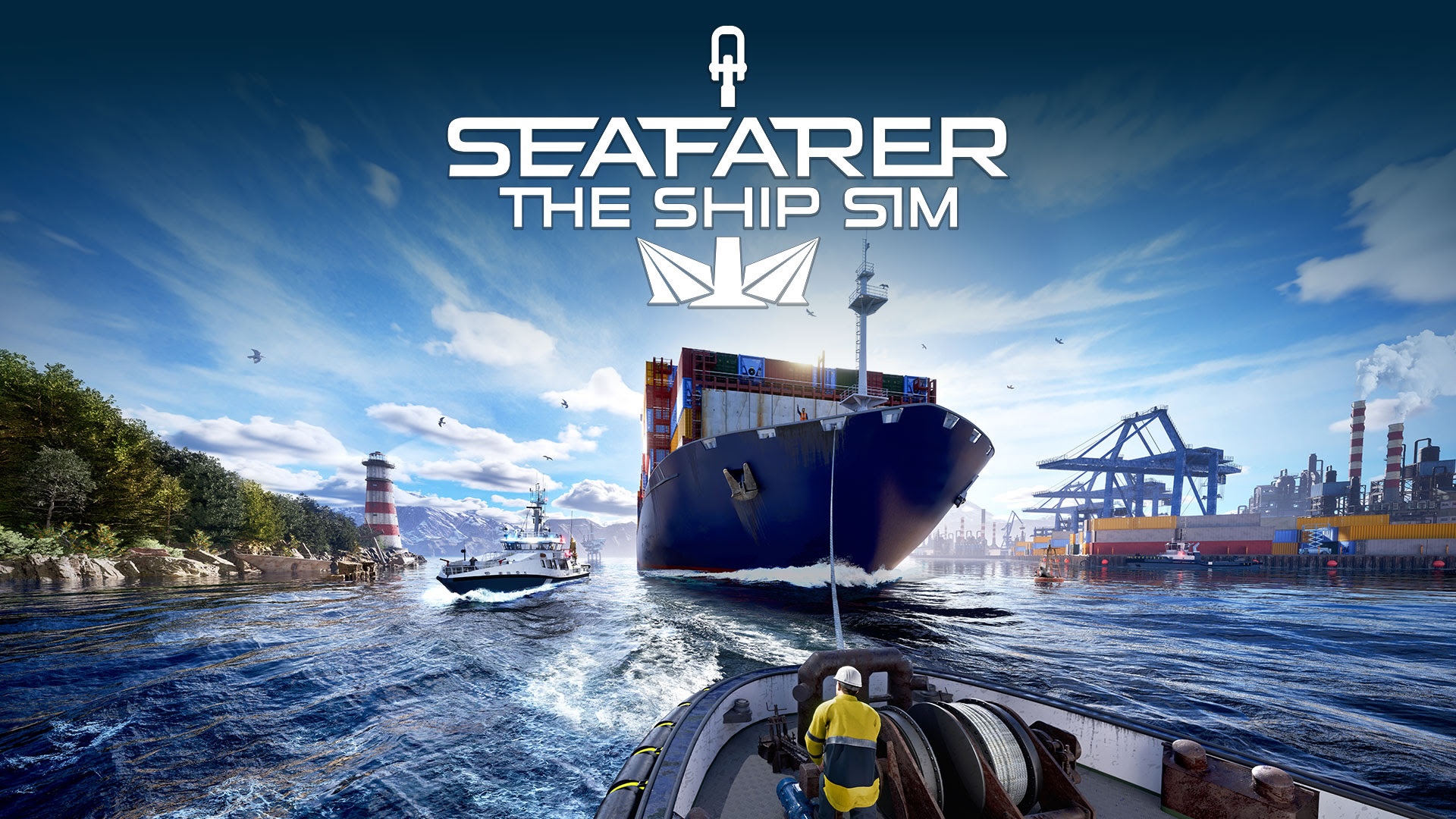
There is something incredibly appealing about the idea of life at sea. The thought of climbing aboard a huge vessel, leaving the harbour behind and watching the coastline slowly disappear into the distance has always carried a certain sense of adventure. Of course, the reality of working at sea is probably considerably less relaxing than sitting in front of an Xbox with a cup of tea, but that is where Seafarer: The Ship Sim comes in. Rather than asking us to simply admire the ocean, it wants us to work on it, building a career one voyage at a time while learning how to handle everything from small boats to enormous cargo vessels.
After spending time in Early Access on PC, Seafarer has now arrived on Xbox Series X|S as a full release, bringing its maritime career, open-world environment, cargo operations, rescue work, firefighting and plenty more to console. It is an ambitious project, and one that clearly wants to capture more than just the act of moving a ship from A to B. There is a genuine attempt here to create a world where the sea feels like a workplace, where every new vessel brings another set of responsibilities and where your reputation gradually opens the door to bigger and more interesting opportunities.
The result is an experience that can be incredibly relaxing one moment and surprisingly demanding the next. There are times when Seafarer makes you feel like you’ve genuinely found your calling on the water, while others remind you that this is still a simulation with a few rough edges that haven’t quite been smoothed away.
Life On The Water
The first thing that struck me about Seafarer is just how good it can feel when you’re simply out on the water with nothing but the horizon ahead of you. There is a wonderful sense of scale to the world, and the ocean itself does a lot of the heavy lifting when it comes to creating atmosphere. Watching the waves roll beneath your vessel, seeing the weather change around you and gradually approaching a distant harbour gives even the simplest journeys a sense of purpose.
The game takes inspiration from Northern Europe for its open world, and while this isn’t a recreation of a real-world coastline, there is enough variety in the harbours, industrial areas and open sea to keep the journeys interesting. You aren’t constantly surrounded by points of interest, either, which is actually one of the game’s strengths. There are stretches where it is just you, your vessel and the ocean, and rather than feeling empty, those moments can be surprisingly calming.
It is probably the closest Seafarer comes to understanding what makes these simulation games so appealing. Sometimes you don’t need something spectacular happening every thirty seconds. Sometimes you just want to settle into a routine, listen to the radio chatter, watch the weather roll in and enjoy the journey.
Of course, eventually somebody needs something doing, and that is when Seafarer’s career system starts to come into play.
Building A Career At Sea
Your career begins relatively modestly, and that is probably the right approach. You’re not immediately handed the biggest ship in the fleet and told to get on with it. Instead, you gradually work your way through different types of work, earning reputation and unlocking new opportunities as you prove yourself.
There is a satisfying rhythm to that progression. Complete a job, earn some money, improve your reputation, unlock something new and then head back out onto the water. It isn’t an especially complicated system, but it gives those otherwise quiet journeys a reason to exist.
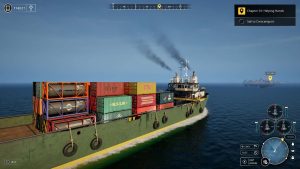
Cargo transportation forms a significant part of the experience, and there is something oddly satisfying about successfully completing a delivery after you’ve spent time preparing your vessel and navigating your way between ports. You can work with different types of cargo, while the larger ships introduce additional responsibilities and a greater feeling that you’re actually operating something substantial.
The career isn’t perfect, though, and this is one area where I think Seafarer could have gone further. There are plenty of systems in place, but they don’t always feel as interconnected as they could. You can see the outline of a much deeper career simulator here, but sometimes it feels as though the game is giving you individual activities rather than building one cohesive working life.
That becomes more apparent the further you progress, particularly when you’ve already become comfortable with the basic gameplay loop.
More Than Just Cargo
Thankfully, Seafarer understands that life at sea isn’t simply about transporting containers from one harbour to another. Some of the more enjoyable moments come when you’re called upon to deal with something completely different.
Rescue missions are a good example. Suddenly, the relaxed rhythm of cruising between ports is replaced by a sense of urgency as you’re heading towards somebody who needs assistance. Firefighting operations add another layer to the experience, while patrol work provides a different reason to explore the world.
These missions do a good job of breaking up the cargo runs and give you an opportunity to use some of the equipment available on your vessels. Cranes, water cannons, rescue equipment and drones all have their own roles to play, and gradually learning how these tools work gives Seafarer a little more depth than its relaxed presentation initially suggests.
The drone is particularly useful in certain situations, providing another perspective on the world and giving you something else to operate away from the main vessel. It isn’t going to turn Seafarer into a completely different game, but these additional mechanics help prevent every voyage from becoming the same journey with a different destination.
The full release also brings additional missions into the mix, which helps the overall career feel more substantial than it did during its earlier development period.
There is still a sense, however, that Seafarer is at its best when these different activities are working together rather than being experienced individually.
Learning To Handle The Big Stuff
Ship handling is naturally at the centre of everything, and Seafarer takes an accessible approach rather than attempting to replicate the complexity of the most hardcore maritime simulators.
You can pick up the controller and start learning relatively quickly, but there is still enough weight behind the vessels to make manoeuvring something you need to think about. Small boats feel considerably more responsive than the larger cargo ships, and moving one of the bigger vessels into position can require patience and careful planning.
Docking is probably where you’ll appreciate this most.
There is something genuinely satisfying about slowly bringing a large vessel alongside, making tiny corrections and eventually getting everything where it needs to be. It isn’t always smooth, and there were certainly moments where I found myself making things considerably harder than they needed to be, but when everything comes together, the payoff is excellent.
The controls aren’t always perfect, though. There are occasions where movements can feel slightly awkward or less precise than you’d like, particularly when you’re trying to perform more delicate manoeuvres. It doesn’t make the game unplayable by any means, but it does mean there is a little more frustration than there should be.
This is one of those areas where I suspect continued updates could make a substantial difference.
The World Is The Star
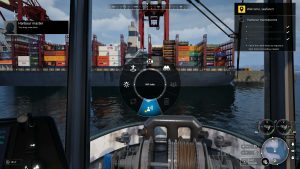
Visually, Seafarer does a very good job of selling the fantasy of being out on the water.
The Unreal Engine 5-powered visuals give the environment a strong sense of scale, while the water is easily one of the most impressive aspects of the presentation. There is something wonderfully atmospheric about sailing through changing weather, particularly when the sea begins to look considerably less welcoming.
Day and night cycles help too. A voyage that begins in daylight can gradually transition into an evening journey, with the atmosphere changing around you as the sun disappears. It isn’t always spectacular, but it gives longer journeys a much more natural rhythm.
The ships themselves are nicely detailed, and moving around them can make you appreciate just how much work has gone into creating these vessels. They feel like working environments rather than simply oversized vehicles.
There are visual inconsistencies, however, and the game occasionally reminds you that it isn’t quite operating at the level of the biggest simulation titles. Some areas can feel noticeably less detailed than others, and the open world can sometimes feel a little too quiet.
But perhaps that quietness is also part of Seafarer’s charm.
Four Hands Are Better Than Two
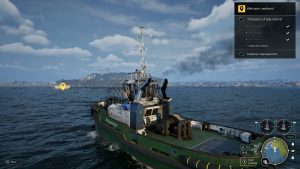
The addition of co-op is one of the features that I was particularly pleased to see make it into the full release. Seafarer allows up to four players to work together aboard a vessel, sharing responsibilities and tackling certain operations as a crew.
And honestly, it makes perfect sense.
There is something inherently social about the idea of four people working together on a ship. One person can concentrate on navigation, another can deal with equipment, while someone else handles the various tasks required to complete an operation.
It gives the game a different personality, and while the solo experience is perfectly enjoyable, I can see co-op becoming the way many players choose to experience Seafarer.
It isn’t without limitations, and I’d love to see the multiplayer side expanded further in the future. The enormous open world almost feels like it is crying out for a more persistent shared experience, where you could encounter other crews going about their own business rather than simply joining a specific co-op session.
But what is here works well enough to make co-op a meaningful part of the package rather than a tacked-on extra.
Finding The Balance
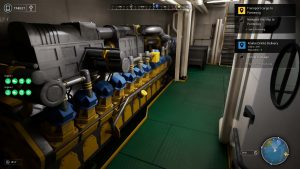
My biggest issue with Seafarer is that the ambition sometimes stretches further than the execution.
You can see what the developers want this game to become. You can see the foundations of a genuinely impressive maritime career simulator, complete with different vessels, jobs, reputation, trading, rescue work, firefighting, exploration and multiplayer. But occasionally those systems don’t quite connect in the way you’d hope.
Some activities can become repetitive, particularly if you’re spending a long session working through similar cargo jobs. The pacing can also be unusual, with long stretches of relatively peaceful sailing interrupted by missions that suddenly demand considerably more attention.
For some players, that will be exactly the appeal. For others, it may feel like there isn’t quite enough happening to justify every voyage.
Personally, I found myself enjoying those slower moments more than I expected. Seafarer isn’t necessarily a game I would play for hours every single day, but it is a game I could happily return to after playing something more intense. There is something rather lovely about sitting back, setting a course and simply letting the journey unfold.
And that, more than anything, is where Seafarer succeeds.
Final Thoughts
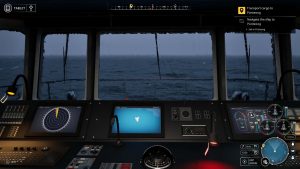
Seafarer: The Ship Sim is an ambitious maritime simulator that occasionally finds itself caught between what it wants to be and what it currently manages to deliver.
When everything comes together, it is an incredibly atmospheric experience. The open ocean looks fantastic, the ships have a real sense of scale, the career system provides a reason to keep progressing and the variety of cargo, rescue, firefighting and patrol operations means you’re not always doing exactly the same thing.
The full release has also benefited from the game’s journey through Early Access, with additional missions, progression adjustments and the introduction of co-op helping to make the overall package feel more complete.
But there are still moments where the seams begin to show. Some missions can become repetitive, ship handling isn’t always as precise as I’d like, and the career systems don’t quite have the depth or interconnectedness needed to make this feel like the definitive maritime simulator.
Even so, there is something here that I really like.
Seafarer doesn’t constantly demand your attention. It doesn’t need explosions around every corner or dramatic events every few minutes. Sometimes it is happy to let you sail, watch the waves and enjoy the journey. When combined with the more involved rescue and emergency missions, that creates an experience that can be surprisingly relaxing while still giving you enough to work towards.
It may not quite have mastered life at sea yet, but Seafarer has certainly found its sea legs.
Seafarer: The Ship Sim is an ambitious and often wonderfully relaxing maritime adventure that gets many of the important things right. It looks great, the ships feel substantial and there is genuine satisfaction in building a career and watching your responsibilities grow. It still has some rough waters to navigate, particularly around repetition, handling and career depth, but there is enough here to make setting sail well worth the journey.
Overall
-
CX Score - 75%75%
Summary
Pros
- Beautiful and atmospheric open world
- Good variety of ships and maritime careers
- Relaxing and accessible gameplay
- Strong ship detail and water effects
- Co-op adds another enjoyable dimension
- Career progression provides a reason to keep playing
Cons
- Some missions become repetitive
- Ship handling can occasionally feel imprecise
- Career systems could be deeper
- Haul’s can be lengthly
- Some activities don’t feel as interconnected as they could